
Product Photography Services: A guide for NZ brands
Product photography is more than just taking nice pictures of the things you sell. It’s the craft of creating high-quality, intentional images of your products for commercial use. Images that are designed to be used, not just admired.
At its core, product photography involves considered lighting, styling, and editing to showcase your products clearly and honestly. Done well, it helps build trust, supports purchasing decisions, and gives your brand a visual foundation you can actually rely on.
What are product photography services, really?
Product photography isn’t about snapping a quick photo and calling it done. It’s about communicating value before someone has ever touched your product.
Your images are often the first interaction someone has with your brand. Before they read your About page or check your reviews, they’re looking at your photos and deciding whether they trust what they’re seeing.
That’s true whether you’re a small artisan business in Whangārei or an online brand shipping products across Aotearoa. Professional product photography acts as your digital handshake. It bridges the gap between curiosity and confidence, especially in an online space where customers can’t physically inspect what they’re buying.
More than just a picture
When customers shop online, they rely almost entirely on visuals to understand quality, texture, scale, and finish. Good product photography answers those questions quietly, without needing explanation.
This is where professional product photography services really matter. A skilled photographer understands how light, shadow, and composition affect perception. The goal isn’t to misrepresent a product, but to show it clearly, consistently, and in a way that aligns with your brand.
That consistency is key. A strong visual language helps everything feel connected, from your website to your social channels to your marketing materials.
- Your website feels more professional and trustworthy
- Social media content looks cohesive instead of pieced together
- Marketing assets are easier to create because you already have the right images
Professional product photography is less about aesthetics alone and more about trust. It helps customers feel confident in what they’re buying and who they’re buying it from.
The foundation of trust and connection
Inconsistent, poorly lit, or rushed images can create hesitation, even if the product itself is excellent. When photos feel careless, customers often assume the same about the product.
Clear, honest imagery does the opposite. It signals care, attention to detail, and intention. For businesses in Northland and across New Zealand, where word of mouth and reputation matter, that visual trust is especially important.
If you want to see how product photography fits into a wider brand strategy, you can explore the full range of commercial photography services offered through Photography by Nimmy.
Finding the right style for your products
Choosing a photography style isn’t just about what looks good. It’s about what your images need to do.
Are you trying to show clarity and detail for online sales? Build emotional connection with your audience? Create consistency across a growing product range?
Different styles serve different purposes, and understanding those options helps you invest in images that actually support your business goals.
Studio product photography: The e-commerce essential
Studio product photography, often called packshots or e-commerce photography, focuses on clarity and consistency. Products are photographed against clean, neutral backgrounds, usually white or soft grey.
The aim is simple. Remove distractions and show the product exactly as it is.
These images are the backbone of most online stores because they help customers understand what they’re buying. Colour, shape, proportions, and features are clear and easy to compare across a range.
Studio product photography creates a clean, reliable foundation for product pages and online catalogues.
When every product is photographed with the same lighting and angles, your website feels organised and professional, which makes browsing easier and builds confidence.
Lifestyle photography: Showing products in context
Lifestyle product photography places your product into a real or styled environment. Instead of isolating the product, it shows how it fits into everyday life.
This style helps customers imagine using your product themselves.
A studio image might show the craftsmanship of a handmade ceramic mug. A lifestyle image shows it sitting on a kitchen bench, filled with coffee, part of a morning routine. Both are useful, but they serve different roles.
Lifestyle photography works particularly well for:
- Social media content
- Website banners and hero images
- Campaigns where storytelling matters
Lifestyle imagery adds depth to your brand and helps products feel relatable, not just transactional.
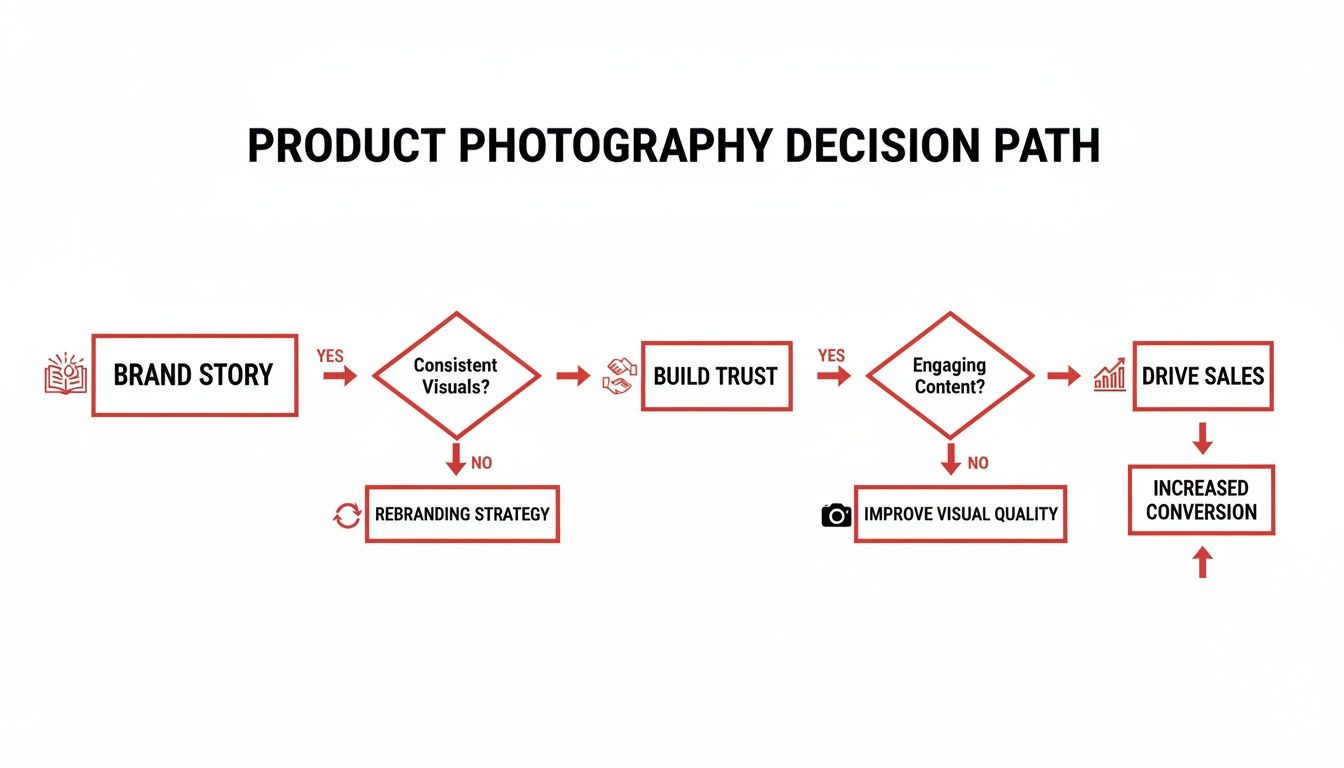
Matching photography style to your business goals

Most brands benefit from a mix of styles. Studio images provide clarity, while lifestyle and detail shots add context and connection.
Specialised photography: Focusing on the details
Some products benefit from additional visual depth.
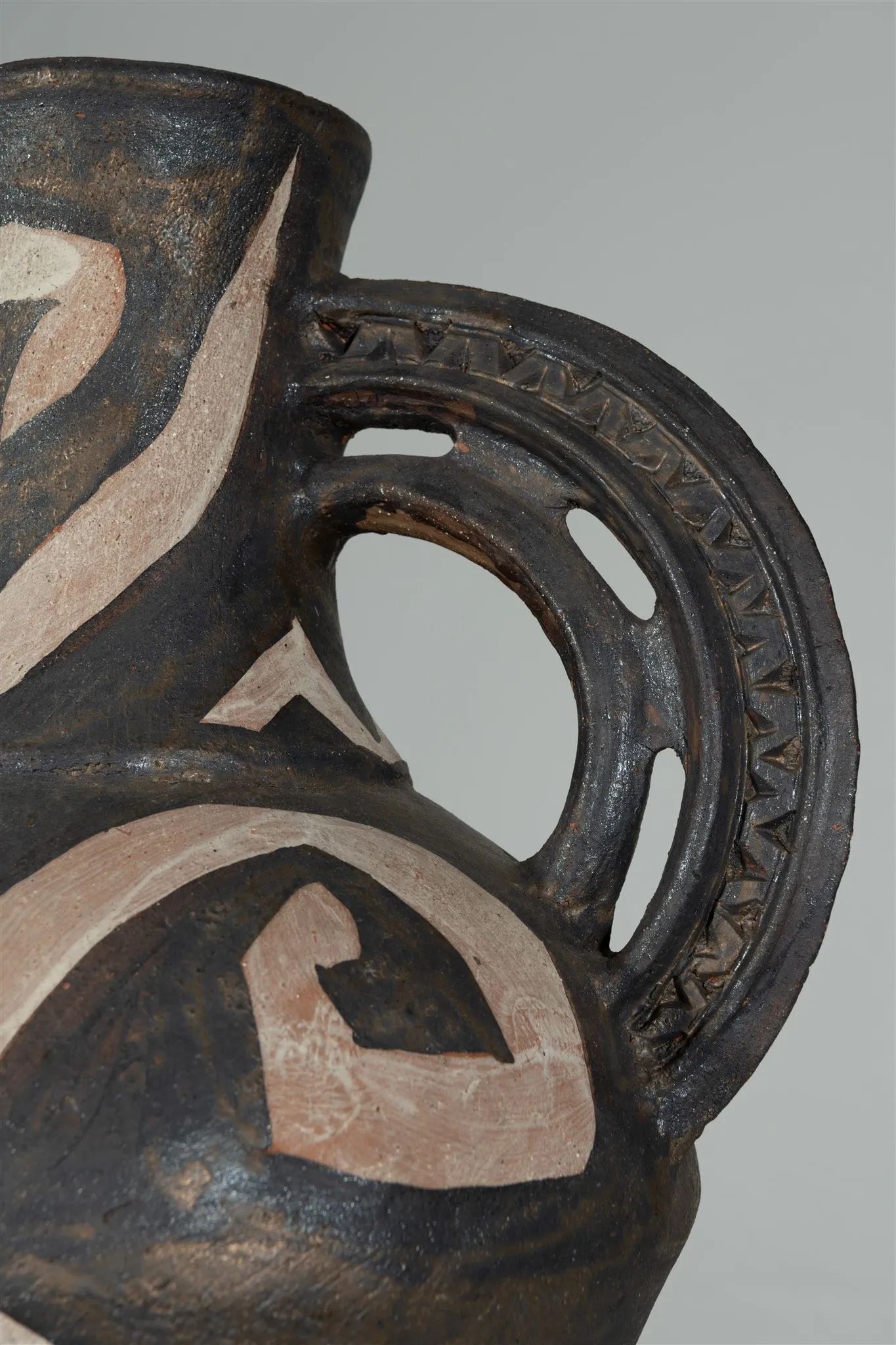
- Detail or macro photography highlights texture, finish, and craftsmanship
- 360-degree photography allows customers to view products from multiple angles
These approaches are especially useful for products where quality and construction are key selling points.
What to expect from the photography process
Working with a professional product photographer should feel clear and collaborative.
It starts with a conversation. This is where we talk about your products, your brand, and how the images will be used. From there, we create a simple creative brief so everyone is aligned before the shoot.
From photoshoot to final files
Once the brief is confirmed, the shoot itself takes place, either in studio or on location around Whangārei and Northland.
After the shoot, images are carefully selected and professionally edited to match your brand’s tone and usage needs.
We’ll confirm:
- The number of final images
- The level of retouching
- File formats suitable for web and print
You can read more about this collaborative approach in Working Together: What to Expect.
Understanding image licensing and usage
When you invest in product photography services, you’re licensing images for specific commercial use.
Most projects include a commercial usage licence covering websites, social media, and marketing materials. If you plan to use images for packaging, large-scale advertising, or long-term campaigns, that’s something we discuss upfront.
Clear licensing means you can use your images confidently and correctly, without uncertainty later on.
How to prepare for a great photoshoot
Preparation makes a noticeable difference to the final result.
Preparing your products
- Clean products thoroughly
- Steam or iron textiles
- Check accessories, labels, and packaging
- Select the best examples of each product
Good prep saves time and keeps the focus on lighting and composition rather than fixes.
The role of a creative brief
A creative brief doesn’t need to be complex. It simply outlines who your audience is, how the images will be used, and the overall look and feel.
A clear brief gives every image purpose.
Mood boards and visual references
Sharing visual references helps clarify tone and style. Pinterest, saved Instagram posts, or website examples all work well.
The goal isn’t to copy but to communicate what feels right for your brand.
Choosing the right photographer in Northland
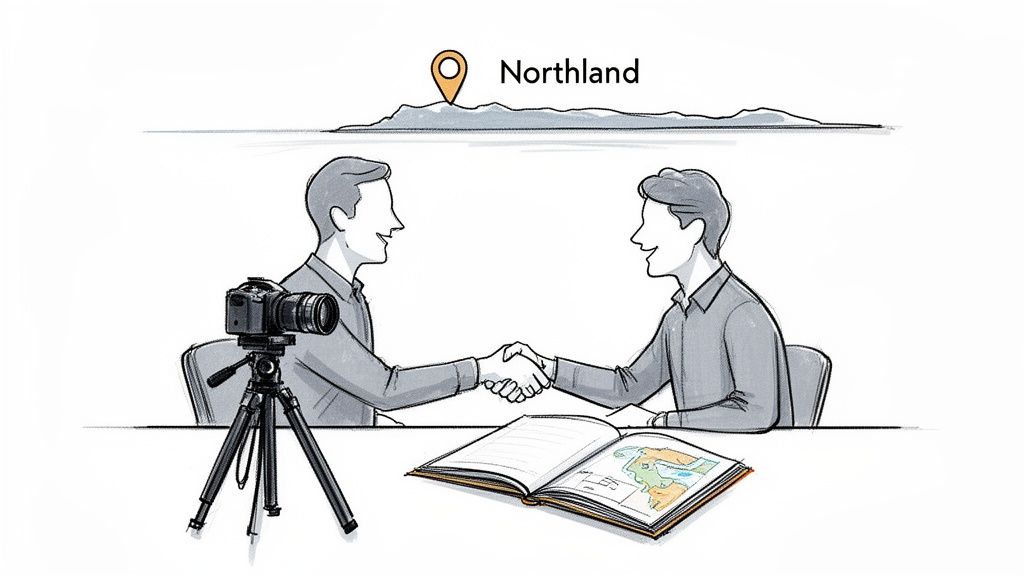
Choosing a product photographer is about more than technical skill. It’s about alignment.
Look for someone whose work feels consistent, intentional, and relevant to your brand.
What to look for
- A cohesive portfolio
- An approach that values collaboration
- Clear communication around process and expectations
Ask yourself whether your product feels like it belongs in their body of work.
Questions worth asking
- How do you approach planning and briefs?
- Have you photographed similar products before?
- How do feedback and revisions work?
- What does a typical timeline look like?
A good working relationship leads to better images and long-term consistency.
Common questions about product photography
How much do product photography services cost?
Pricing depends on scope, complexity, and usage. Factors include the number of products, shooting style, retouching, and licensing.
The best way to get an accurate quote is a short conversation about what you actually need.
How many images will I receive?
This varies by project. Some brands need a small set of hero images, others need full product catalogues. Image numbers are always aligned with purpose, not filler.
Do I need to attend the shoot?
Not always. Many studio shoots are done without clients present. Lifestyle or branding sessions may benefit from your involvement. We’ll decide what makes sense together.
What is the turnaround time?
Final images are usually delivered within one to two weeks. If you’re working toward a launch or deadline, that can be planned in advance.
For more on usage rights, you can read What is Image Licensing: A Guide for NZ Brands.
.webp)

.webp)
.webp)