
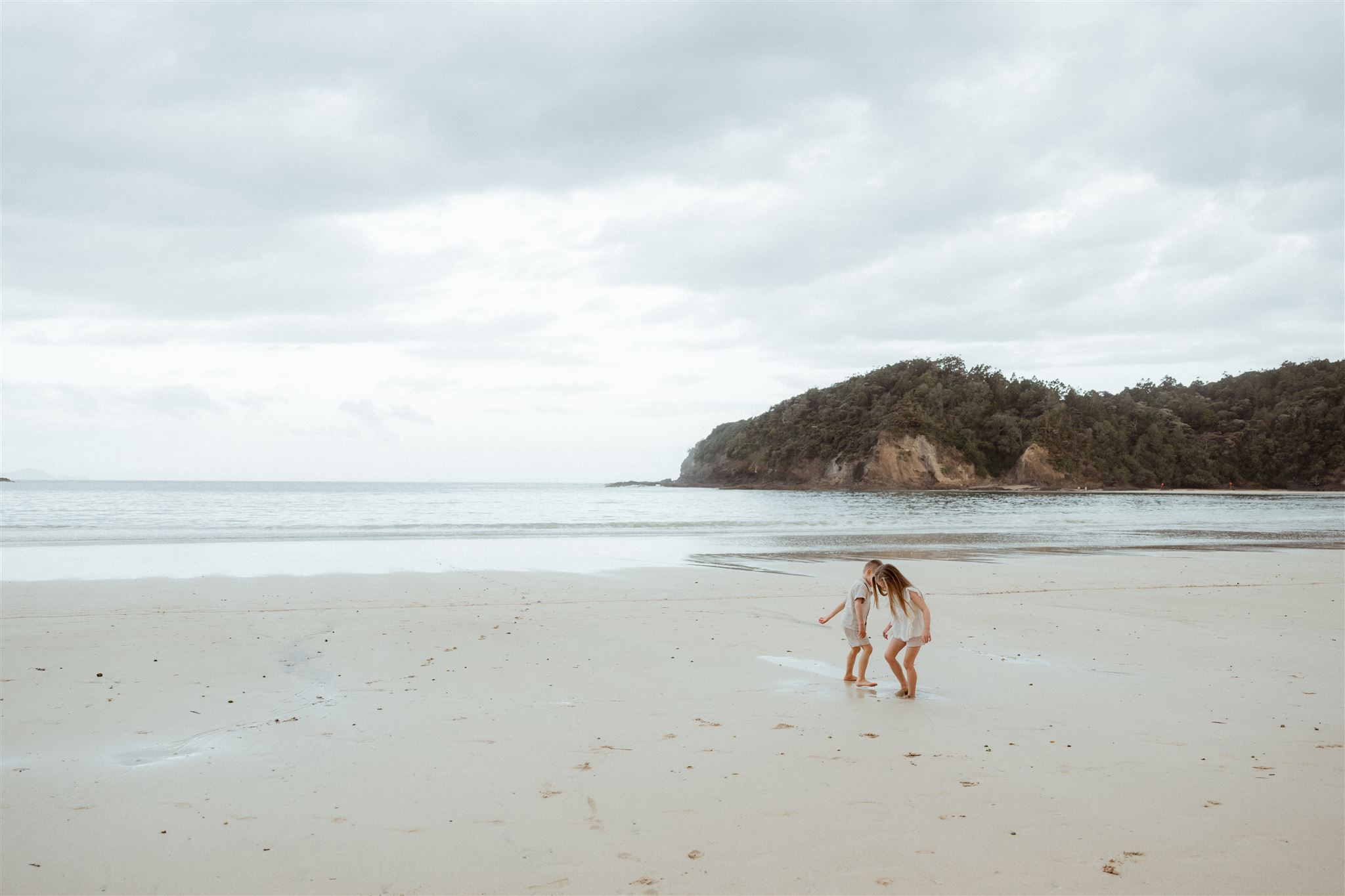
7 Essential tips when googling "Photographer Near Me For Photoshoot" in 2026
Finding the right photographer is more crucial than ever as the demand for local talent grows in 2026. Many people search for a "photographer near me for photoshoot" when planning a session, but making the right choice can be overwhelming with so many options.
This article will guide you through seven essential tips, from preparation and communication to aligning on style and expectations. Whether you want family portraits, branding images, or event coverage, these steps will help you achieve professional results. Read on to discover how to make your next photoshoot a complete success.
1. Understand Your Photoshoot Goals
Choosing the right photographer near you starts with a clear understanding of your vision for the photoshoot. Before you even begin searching, it pays to reflect on what you want to achieve, how you plan to use your images, and what style appeals to you most. Defining these goals will save time and ensure you connect with a photographer who truly suits your needs.
Define Your Vision and Objectives
Begin by asking yourself what you want from your photoshoot experience with a local photographer. Are you celebrating a milestone, updating your business branding, or capturing candid moments with family? Setting clear objectives helps you quickly shortlist photographers who specialise in your chosen genre, whether it's portraits, events, or lifestyle imagery.
For example, a corporate headshot session requires different preparation and expertise than a newborn or engagement photoshoot. When your vision is defined, it guides crucial decisions, from style to logistics. Creating a mood board or a simple list of must-have shots can help you communicate your expectations clearly. This clarity not only streamlines planning but also maximises your satisfaction with the final results.
Consider the End Use of Your Photos
Think about how you intend to use your images. Are they for social media, a printed album, a business website, or personal keepsakes? According to a recent competitor survey, 70 percent of clients say the end use of their photos determines which photographer they choose. For example, a branding session for a business requires a different approach than a relaxed family shoot.
Consider this case: a local business owner needed sharp, professional images for their online presence, focusing on lighting and brand messaging. In contrast, a family wanted natural, emotive portraits for their living room wall. Each scenario shaped the photographer selection process. If you want to dive deeper into the value of family sessions, see Why a Family Photoshoot Matters.
Identify Your Preferred Style
Photography trends in 2026 include documentary, editorial, lifestyle, fine art, and candid approaches. As you search for a photographer near you, review portfolios to find a style that resonates with you. Do you prefer posed, polished images, or spontaneous, story-driven moments?
A mismatch in style can lead to disappointment. For instance, choosing a fine art photographer for a candid event may result in images that feel too staged or formal. Take time to browse recent galleries, noting consistency and the photographer's ability to capture the essence you envision. This step ensures your session feels authentic and aligns with your personal taste.
Set a Realistic Budget
Budget plays a significant role in your search for the right photographer for your photoshoot. Professional photoshoot fees in New Zealand typically range from $300 to $1,200, depending on location, experience, and session type. Larger cities like Auckland and Wellington often command higher rates, especially for specialised shoots.
Shoot Type | Price Range (NZD)
- Portrait & Family | $350–$4,500+ (Simple sessions to luxury, styled shoots with albums and multiple locations)
- Wedding Photography | $1,200–$15,000+ (Half-day elopements to full weekend coverage with second shooter, albums, and travel)
- Event Coverage | $500–$10,000+ (Small private events to large-scale corporate or multi-day events)
- Commercial Photography | $600–$25,000+ (Branding sessions to full campaigns including licensing, production, and media usage)
Your budget impacts not just the photographer's experience but also the number of deliverables, editing quality, and session complexity. To balance quality and affordability, request detailed quotes and ask about package inclusions. Investing wisely in your session will help you achieve the best possible results from your photographer.
2. 7 Essential “Photographer near me for photoshoot” Tips for 2026
Selecting the ideal photographer for your photoshoot is crucial for getting the results you want in 2026. With so many professionals available, making the right choice can feel daunting. Below, discover seven essential tips to guide your search and collaboration for a truly successful experience.
2.1. Research Local Photographers Thoroughly
Finding the right photographer near you starts with comprehensive research. While it is tempting to pick the first name that pops up on Google, this approach often misses out on hidden talent in your area.
Expand your search using Google Maps, Instagram, and trusted photography directories. These platforms showcase a wider range of professionals, including those who may not prioritise paid advertising but have strong local reputations.
Read reviews and client testimonials carefully. According to industry surveys, 85% of clients trust online reviews as much as personal recommendations. Look for consistently positive feedback and note any recurring themes about professionalism, creativity, or reliability.
Review completed project galleries to gauge the photographer’s experience with photoshoots similar to yours. Examine the diversity of their work and whether they have delivered excellent results for events, portraits, or branding shoots.
Be alert for red flags such as inconsistent portfolios, a lack of recent client feedback, or unprofessional communication. These can signal potential issues that may affect your photoshoot experience.
Remember, a thorough search ensures you do not overlook the right local photographer who matches your needs and expectations.
2.2. Check Portfolio Diversity and Consistency
A strong portfolio is the backbone of any reputable photographer. When evaluating portfolios, look for both diversity and consistency in quality.
Start by reviewing a range of projects. Has the photographer captured both indoor and outdoor settings? Do they handle events, family portraits, and branding shoots with equal skill? The ability to adapt to different environments is a sign of experience and versatility.
Consistency is equally important. Scan through several galleries to ensure the quality does not fluctuate. Are lighting, composition, and editing standards maintained across all shoots? A photographer who delivers uniform results demonstrates professionalism and attention to detail.
Look for evidence of work similar to your intended shoot. For instance, if you need a corporate branding session, the portfolio should include polished business imagery. For family portraits, seek warmth and genuine interaction.
Be wary of portfolios that seem scattered or overly reliant on heavy editing. Such signs might indicate a lack of direction or an attempt to mask technical flaws.
A well-curated portfolio helps you confidently choose a local photographer whose style and skill align with your vision.
2.3. Assess Communication and Professionalism
Effective communication is vital when working with a photographer. This is true whether you have booked someone local or are still searching for a photographer near you. From your initial enquiry to the delivery of final images, clear and timely responses set the tone for a smooth experience.
Begin by noting how quickly the photographer replies to your questions. Industry surveys from 2025 show that 62% of clients prefer photographers who respond promptly and professionally. Quick replies indicate respect for your time and an organised workflow.
During your first interaction, ask key questions about availability, the booking process, and expected deliverables. Listen for clear, concise answers and a willingness to address your concerns.
Professionalism extends to contracts, pricing transparency, and policies. Request a written agreement outlining all details, including payment terms and cancellation policies. This protects both parties and prevents misunderstandings.
Observe whether the photographer provides helpful suggestions or simply pushes standard packages. A collaborative approach demonstrates a genuine interest in your photoshoot goals.
Choosing a photographer who values communication and professionalism ensures you feel supported from planning to completion.
2.4. Discuss Creative Direction and Collaboration
Collaborating on creative direction is essential for a memorable photoshoot experience. Begin by arranging a pre-shoot consultation, either in person or online, to discuss your vision, preferences, and expectations.
Share inspiration images, mood boards, and specific ideas for poses or settings. This helps the photographer understand your style and tailor their approach accordingly. A clear creative brief reduces the risk of miscommunication and ensures both parties are aligned.
During the consultation, invite the photographer to contribute their expertise. Professionals often have valuable insights into lighting, location selection, and shot composition that can elevate your shoot.
Collaborative planning encourages unique and personalised results. For example, combining your ideas with the photographer’s creative suggestions often leads to more dynamic and engaging images.
Be open about your must-have shots and areas where you are flexible. This transparency helps manage expectations and minimises surprises on the day.
Ultimately, working closely with your photographer on creative direction fosters trust and leads to images that truly reflect your personality or brand.
2.5. Plan Logistics and Prepare Thoroughly
Proper planning is crucial for a seamless photoshoot experience. Start by confirming the shoot location, whether it is a studio, outdoor space, or a special venue. Consider factors like accessibility, natural lighting, and background options.
Check if any permits are required, especially for public or commercial spaces. Discuss timing with your photographer to take advantage of ideal lighting conditions, such as golden hour for outdoor shoots.
Prepare your outfits, props, and any necessary accessories ahead of time. Coordinate colours and styles to ensure everyone involved looks cohesive. Create a checklist to avoid last-minute stress.
Ask your photographer for guidance on what to bring and how to prepare. Many professionals provide preparation tips based on the type of shoot, such as wardrobe suggestions or reminders to bring water and snacks for longer sessions.
Have a backup plan in case of unexpected weather or other disruptions. Discuss contingency options with your photographer, so you are ready to adapt if needed.
By managing logistics and preparation, you maximise the chances of a successful photoshoot and reduce the risk of avoidable issues.
2.6. Review Contracts, Rights, and Deliverables
Before booking a photographer, always review the contract thoroughly. A clear agreement outlines the number of images, editing process, turnaround time, and payment terms, helping to avoid misunderstandings.
Pay close attention to image usage rights. Clarify whether you can use the photos for personal, commercial, or promotional purposes. Many clients are surprised by restrictions on where and how they can share their images. For a detailed explanation of image licensing and what it means for your project, see What Is Image Licensing?.
Examine the editing process and ensure you understand what is included. Some photographers offer basic retouching, while others provide advanced editing at an additional cost. Ask about the expected delivery timeline and how the final images will be delivered, whether via online gallery, USB, or prints.
Watch for common contract clauses, such as cancellation policies or extra charges for additional hours. According to the recent reports, 78% of disputes arise from unclear deliverables or rights issues.
Choosing a photographer who is transparent about contracts and deliverables protects your investment and ensures peace of mind.
2.7. Evaluate Post-Shoot Support and Follow-Up
After the session, the support you receive from your photographer can make a significant difference in your overall satisfaction. Post-shoot services may include retouching, album design, print ordering, and backup solutions.
Assess the photographer’s approach to aftercare by reading reviews and, if possible, speaking with past clients. Look for comments on responsiveness, willingness to make adjustments, and the quality of final products.
Some professionals go beyond the basics, offering help with image selection, custom framing, or even sharing tips for displaying your photos at home or in the office. These value-added services can enhance your experience and ensure you get the most from your investment.
Confirm how long your images will be stored and whether backup options are available. Losing precious photos due to accidental deletion can be a disappointing setback.
Choosing a photographer who provides excellent post-shoot support ensures your memories are preserved and presented beautifully for years to come.
3. How to Shortlist and Compare Photographers Near You
Finding the best photographer for your photoshoot is about more than just searching online. With so many talented professionals in New Zealand, a structured approach will help you narrow your options and ensure a perfect match. Use these practical steps to compare and choose the right photographer for your session, so it meets your goals and budget.
Create a Comparison Matrix
Begin by building a shortlist of potential candidates. Use a comparison matrix to objectively evaluate each photographer against your photoshoot requirements. List your top three to five photographers in rows and key factors across columns, such as style, price, reviews, communication, and availability.
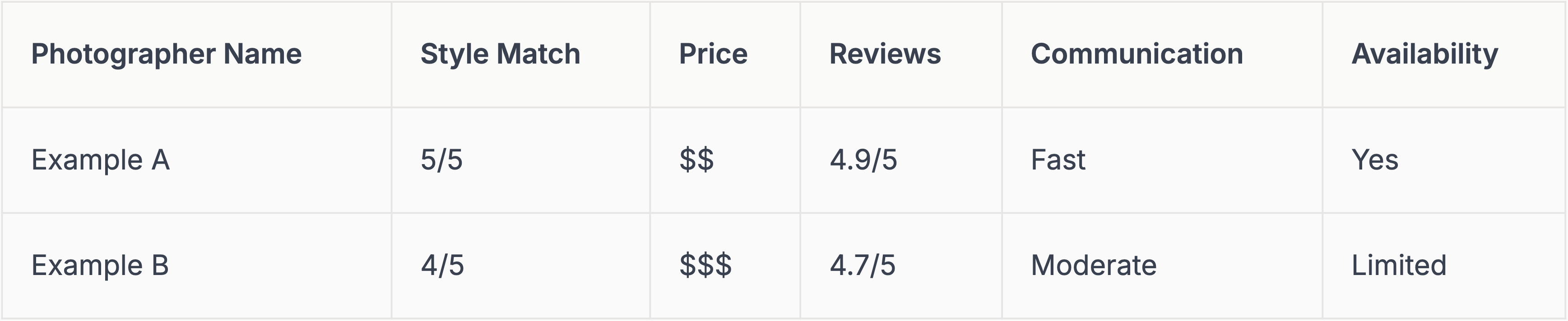
Assign scores or notes to make comparisons clear. This method helps you see patterns and spot outliers, making it easier to identify the photographer who aligns best with your needs.
Request Quotes and Packages
Once your shortlist is ready, reach out to each photographer near you for quotes and package details. Ask for a complete breakdown of what is included: number of edited images, session length, location flexibility, and any extra fees. Compare fixed packages with custom solutions to see which offers better value.
Fixed packages are often straightforward and budget-friendly, but custom packages allow you to tailor the shoot to your unique requirements. Always clarify what is covered to avoid surprises later. This step helps you get the best overall experience without exceeding your budget.
Arrange Interviews or Consultations
Personal rapport is essential. Arrange a call or meeting with your top choices to discuss your vision and gauge compatibility. Use this time to ask about their workflow, creative process, and how they handle challenges. For a deeper understanding of what to expect during this collaboration, you can review Working Together: What to Expect.
Notice whether the photographer listens carefully and provides clear answers. Comfort and trust are key to a successful experience, so pay attention to your instincts during these conversations.
Make the Final Decision
After gathering all information, revisit your comparison matrix and notes. Weigh up the style match, cost, communication, and overall vibe from your meetings. Choose the photographer who meets your technical needs and makes you feel confident.
A step-by-step approach, supported by clear data and personal connection, ensures you select a photographer near you who will deliver outstanding results for your photoshoot. Take your time and trust the process for a successful outcome.
4. Maximising Your Photoshoot Experience
Booking a photoshoot with a local photographer is an exciting opportunity to capture important moments or elevate your brand image. To ensure you get the most out of your session, careful planning and collaboration are key. By focusing on preparation, communication, and making the most of your photographer’s expertise, you can achieve images that truly reflect your vision.
Prepare Yourself and Participants
Getting ready for a photoshoot goes beyond just picking outfits. Preparation includes ensuring everyone involved is well rested, selecting attire that matches the shoot’s mood, and setting the right mindset for relaxed, natural expressions.
- Choose comfortable, coordinated clothing that suits the setting.
- Encourage participants to hydrate and get plenty of sleep before the session.
- Discuss expectations and share the shoot plan with everyone involved.
If you need more in-depth guidance, Getting Ready for Your Portrait Session offers practical tips tailored to different types of shoots. Preparation sets the tone for a smooth experience and helps everyone feel confident.
Leverage the Photographer’s Expertise
A professional photographer does more than just press the shutter. They provide valuable advice on posing, location choices, and styling that can transform your images from ordinary to outstanding.
Ask questions about recommended poses or angles, and be open to suggestions on locations or props. Their experience with lighting and composition ensures that every detail is considered. Trusting your photographer’s expertise can help you achieve the best possible results, whether you are aiming for candid moments or polished portraits.
Ensure Clear Communication on the Day
Effective communication with your photographer eliminates confusion and reduces stress. Before your session, confirm all details, including the meeting time, location, and any special requirements.
Create a simple contact plan in case of unexpected changes like weather or traffic delays. Discuss your must-have shots and clarify any last-minute questions. Open communication builds trust and ensures everyone is aligned, leading to a more enjoyable and productive shoot.
Make the Most of the Session
To truly maximise your time during the session, embrace the process and stay open to creative ideas. Relax, enjoy the experience, and encourage participants to have fun.
- Take breaks as needed to keep energy levels high.
- Celebrate spontaneous moments for authentic photos.
- Reflect on what worked well after the session for future shoots.
Many clients find that a positive attitude and willingness to collaborate lead to memorable images and a rewarding experience.
5. Common Pitfalls to Avoid When Hiring a Photographer Near Me
Choosing the right photographer can be exciting, but there are common pitfalls that can jeopardise your results. By being aware of these issues, you can avoid disappointment and ensure a seamless experience.
Overlooking Portfolio Red Flags
A strong portfolio is critical when selecting a photographer. Watch for warning signs such as inconsistent style, limited variety, or excessive editing. These can indicate a lack of experience or a mismatch with your vision.
Styles evolve quickly, and failure to keep updated with current trends may affect results. Review recent projects and check if their work aligns with emerging Photography trends 2026 for the best outcome.
Ignoring Contract Details
Contracts are essential for protecting both parties when booking a photographer. Overlooking agreement specifics can result in confusion over deliverables, image rights, or payment terms.
Always read the contract thoroughly. Look for clauses detailing the number of photos, editing process, usage rights, and deadlines. If anything is unclear, ask for clarification before signing to avoid future disputes or unmet expectations.
Prioritising Price Over Quality
Choosing the cheapest photographer may seem tempting, but it can compromise the final product. Lower prices often reflect less experience, limited equipment, or rushed editing.
Investing in quality ensures better creativity, reliability, and technical skill. Compare packages, but do not sacrifice essential deliverables for minor savings. Prioritise value and proven expertise for results you will cherish.
Underestimating the Importance of Chemistry
Rapport with your photographer is vital for authentic, natural images. If you do not feel comfortable or understood, it will show in the photos. Always arrange a consultation to assess communication style and overall fit.
A professional who listens and adapts to your needs will help you relax, capture genuine moments, and ensure your experience with your photographer is enjoyable from start to finish.
Failing to Plan for Logistics
Logistics can make or break a photoshoot. Forgetting to discuss location, timing, weather, or required permits with your photographer can cause unnecessary stress or delays.
Prepare a checklist covering all practical details, including backup options. A well-organised plan allows the photographer to focus on creativity, ensuring the session runs smoothly and efficiently for everyone involved.
Not Clarifying Image Rights
Misunderstandings about image rights can limit how you use your photos after the shoot. Before booking, confirm who owns the images, how they can be used, and if additional costs apply for prints or digital files.
Clear agreements on rights and deliverables will help you avoid disappointment and ensure you can fully enjoy and share the results of your investment.
6. Future Trends in Photoshoot Services for 2026
Choosing a photographer in 2026 means navigating a rapidly evolving landscape. Many people will still start by searching “photographer near me”, but the services behind that search will look very different. Clients can expect innovation at every stage, from AI-assisted editing that delivers faster, high-quality results, to virtual consultations that streamline planning and communication.
Photographers are adopting eco-friendly shoot practices, using sustainable props and digital-first delivery to reduce environmental impact. Immersive experiences, such as interactive 360-degree galleries and augmented reality previews, are also gaining traction, giving clients new ways to engage with their images.
According to recent photography career trends in 2026, New Zealand professionals are integrating AI tools and hybrid photo-video skills, ensuring clients benefit from the latest technology. Staying informed about these trends helps you choose a photographer who brings both creativity and cutting-edge expertise to your next session.
.jpg)
.jpg)
.jpg)