The corporate headshot field guide
What to Wear & How to Prepare
Everything you need to turn up calm, camera-ready and looking like the sharpest version of yourself, from clothing and colour to grooming and a simple countdown to shoot day.

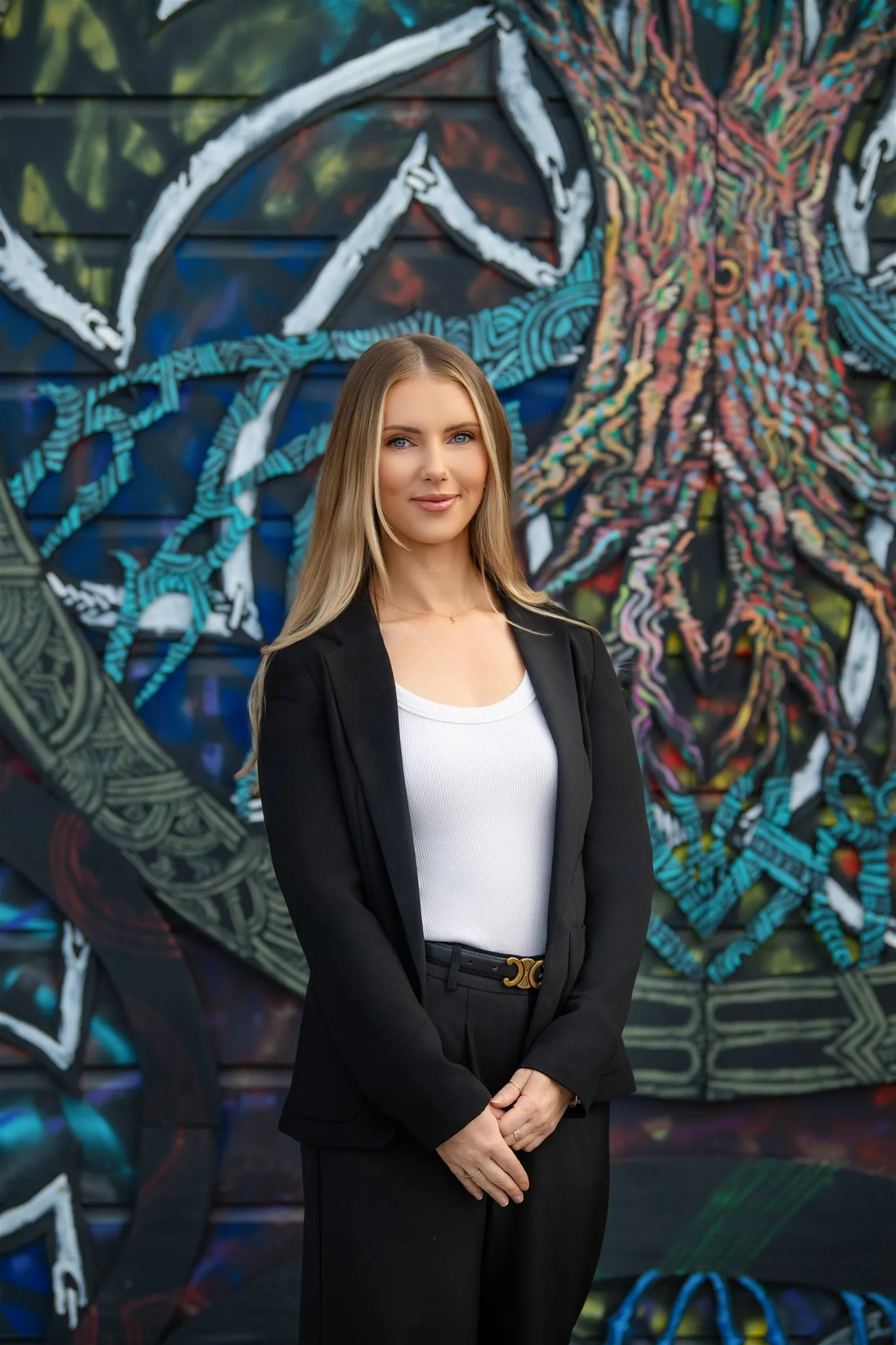
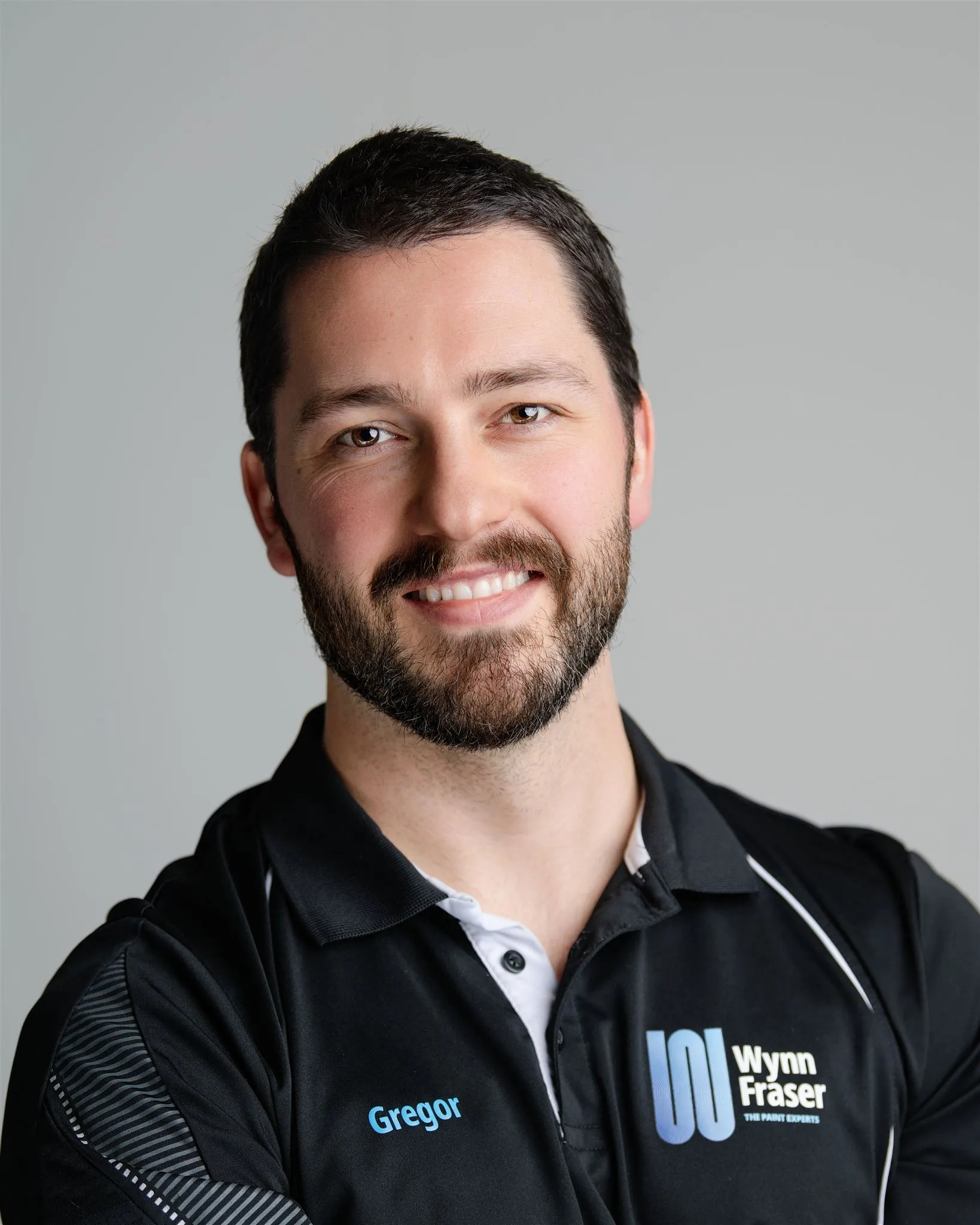
before you raid the wardrobe
First things first: breathe.
If 'but what on earth do I wear?' has been quietly stressing you out, welcome, you're in exactly the right place. It's the question I'm asked more than any other, and a completely normal one.
Here's the whole guide in one line. The rule everything else hangs off is to keep every bit of attention on your face. Colour, fit, grooming and background are all there to do that one job. When your clothes do it well, nobody notices them. When they don't, they're the first thing people see. Skim the rest, steal what's useful, and I'll help with the fine-tuning on the day.
start here
The basics.
Four habits that do most of the heavy lifting, before we even get to colour.
01
Dress for your most important meeting.
Here's the simplest test in the book. Wear what you'd wear to meet your most important client, or to the interview you really wanted, and aim about one notch sharper than your average workday. A suit and tie for law, finance or real estate, a blazer with no tie for most offices, a clean and considered version of your everyday for tech and creative. When in doubt, lean a little more formal. It's easier to look relaxed in something sharp than the other way around.
Yes
Tailored blazer or jacket
Crisp button-down or knit
Best-client version of you
Skip
Weekend loungewear
Anything you'd second-guess
A costume that isn't you

02
Fit is everything.
More than colour, brand or price, fit is what reads on camera. Too tight pulls and gapes, too loose swamps you. A headshot usually crops just below your sternum, so the collar and neckline do a lot of work. A tailored button-down or a V-neck draws the eye up and lengthens your neck. If you're wearing a jacket, the top underneath shouldn't pull or wrinkle. A quick tailor, or even a well-placed clip on the day, can transform an outfit.
trust me on this
Sleeveless can look perfectly professional in person but reads casual in a headshot. Bring a blazer or cardigan to layer over it and you'll be glad of the option.
03
Bring two or three options.
Almost everyone who nails it brings a small handful of looks they feel great in, and we sort out together what works best once we see it against the background and the light. That's exactly how it's meant to go. Layers are your friend here: a blazer on, then off, doubles your looks in a single session. If it's a team shoot, a couple of options per person keeps everyone looking like they belong to the same set.

04
Matte fabrics, well pressed.
Cameras and studio lights are unforgiving of two things, shine and wrinkles. Glossy, satiny fabrics bounce hot spots, and creases you'd never notice in the mirror jump out in a high-resolution frame. Reach for matte, structured-but-soft materials like fine wool, cotton, a good ponte or crepe. Steam or press everything the night before. Hang your outfits, don't fold them, and leave nothing for the morning.
Loves the lens
Matte wool, cotton, crepe
Structured knits & ponte
Freshly steamed & lint-rolled
Less so
Satin, sheen, shiny synthetics
Anything creased or fold-marked
Sheer fabrics that need fussing
the most important fit of all
Look like you, on your best day.
A headshot's job is to look like the person who walks into the room. If a trimmed beard is part of who you are, it stays. If you never wear a tie, don't start now. The goal isn't a stiffer, glossier stranger. It's you, relaxed and confident, on a good day. That's the photo people trust.
now for the fun part
Let's talk colour.
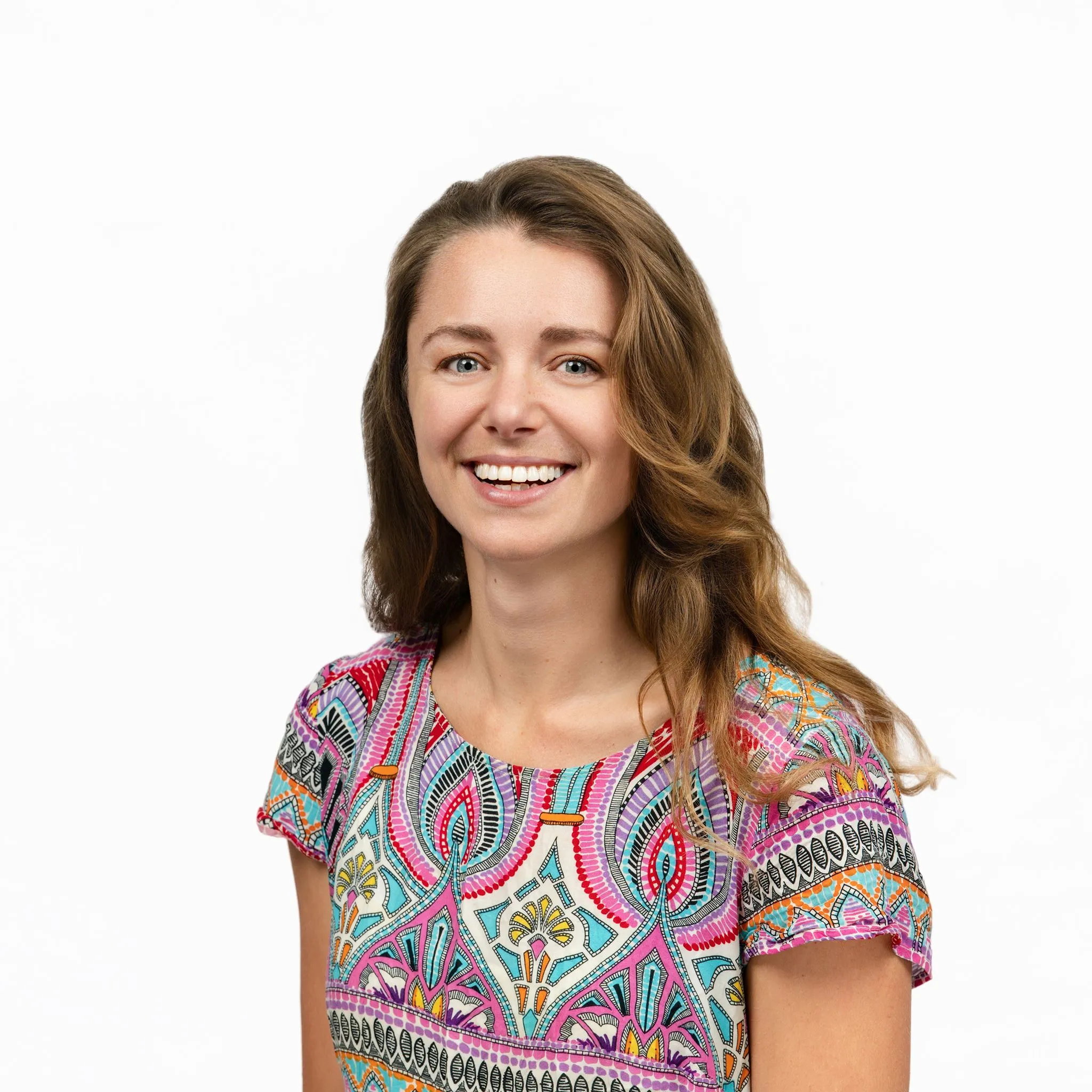
Aim for solid, mid-to-deep tones, classic neutrals plus the odd rich jewel shade. They photograph cleanly, flatter almost every skin tone, and keep the focus where it belongs.
Navy, charcoal, deep grey and black are the reliable core, the executives' defaults for a reason. They read as capable and authoritative, they sit cleanly against almost any background, and they work across every skin tone. You're not taking a gamble with any of them.
Want some life in it? Reach for a deep jewel tone instead of a bright primary: teal, emerald, burgundy, plum or cobalt. They hold their richness on camera without shouting over you. Soft, warm neutrals like camel, taupe, oat and champagne paired with black are lovely for approachable, people-first brands.
two to handle with care
Pure white can blow out and read clinical; pure black can swallow all its detail. Both are great, just don't let either be your whole outfit. Layer a jacket over the white, or a coloured shell under the black.
a palette that always photographs well
the one rule that's pure corporate
Dress for your backdrop.
Great headshots have depth, a clear separation between you and the background, so the eye lands on your face first. The trick is simple. Light background, wear darker. Dark background, wear lighter.
 option one
Clean white studio
Bright, timeless and the most versatile of all. Because the background is light, wear mid-to-deep tones so you separate cleanly. Layer a jacket over a white shirt rather than going head-to-toe white, or you'll melt into the backdrop.
 option two
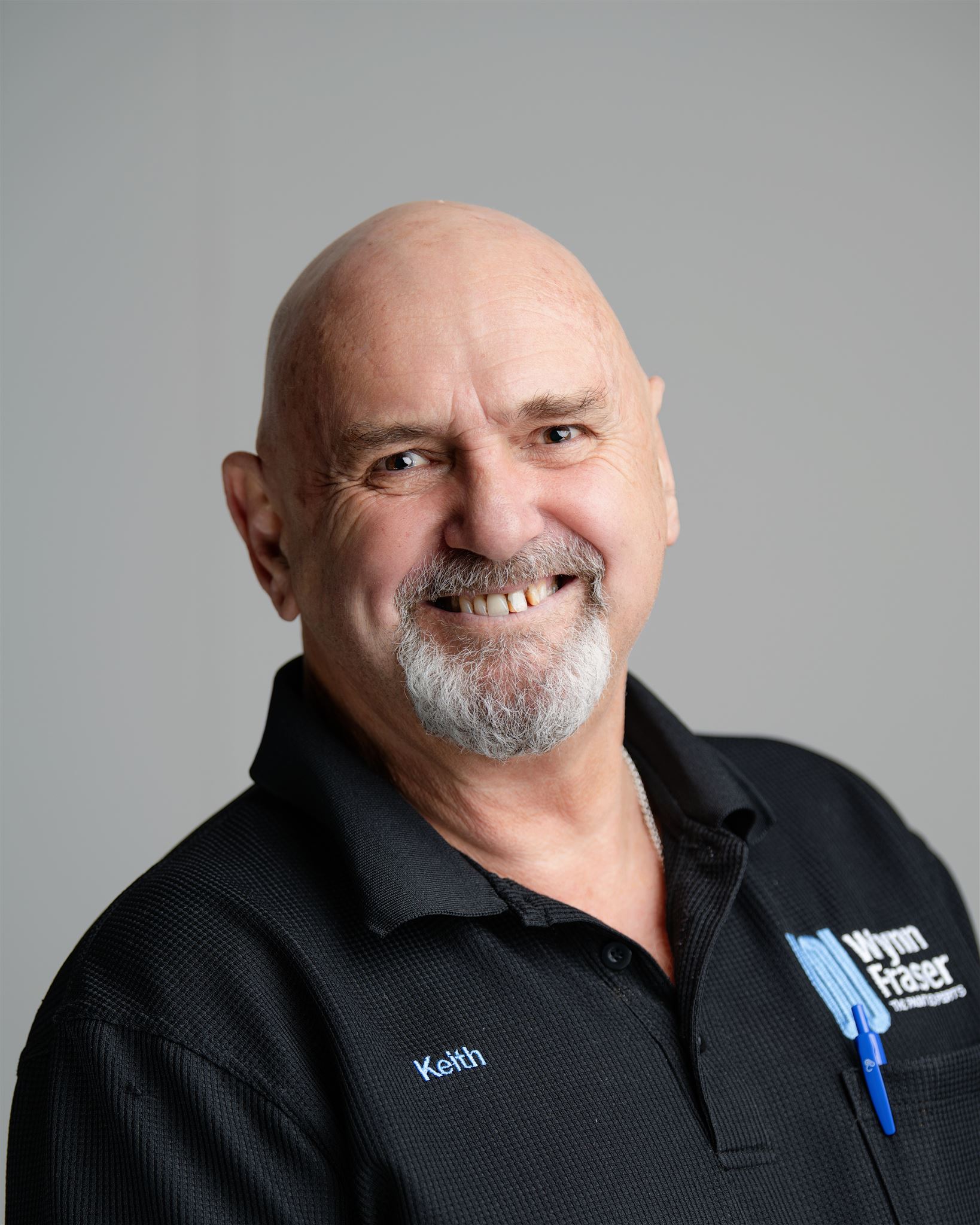
Neutral grey studio
The most forgiving backdrop going: nearly every colour pops against it, which makes it the classic choice for consistent team galleries. A matching branded polo or uniform works beautifully when the whole team is in it; it reads as intentional, not accidental.
 option three
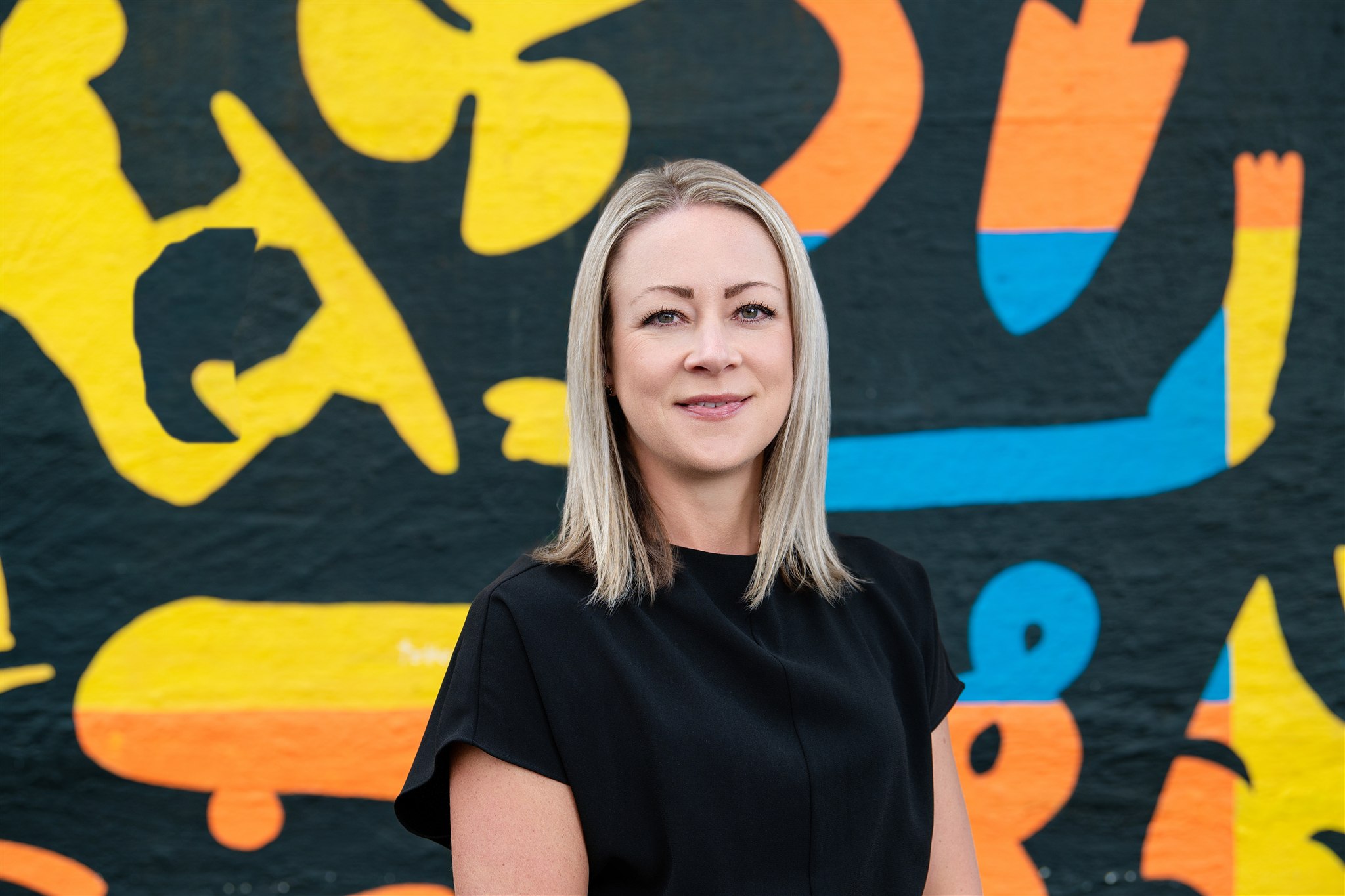
On location
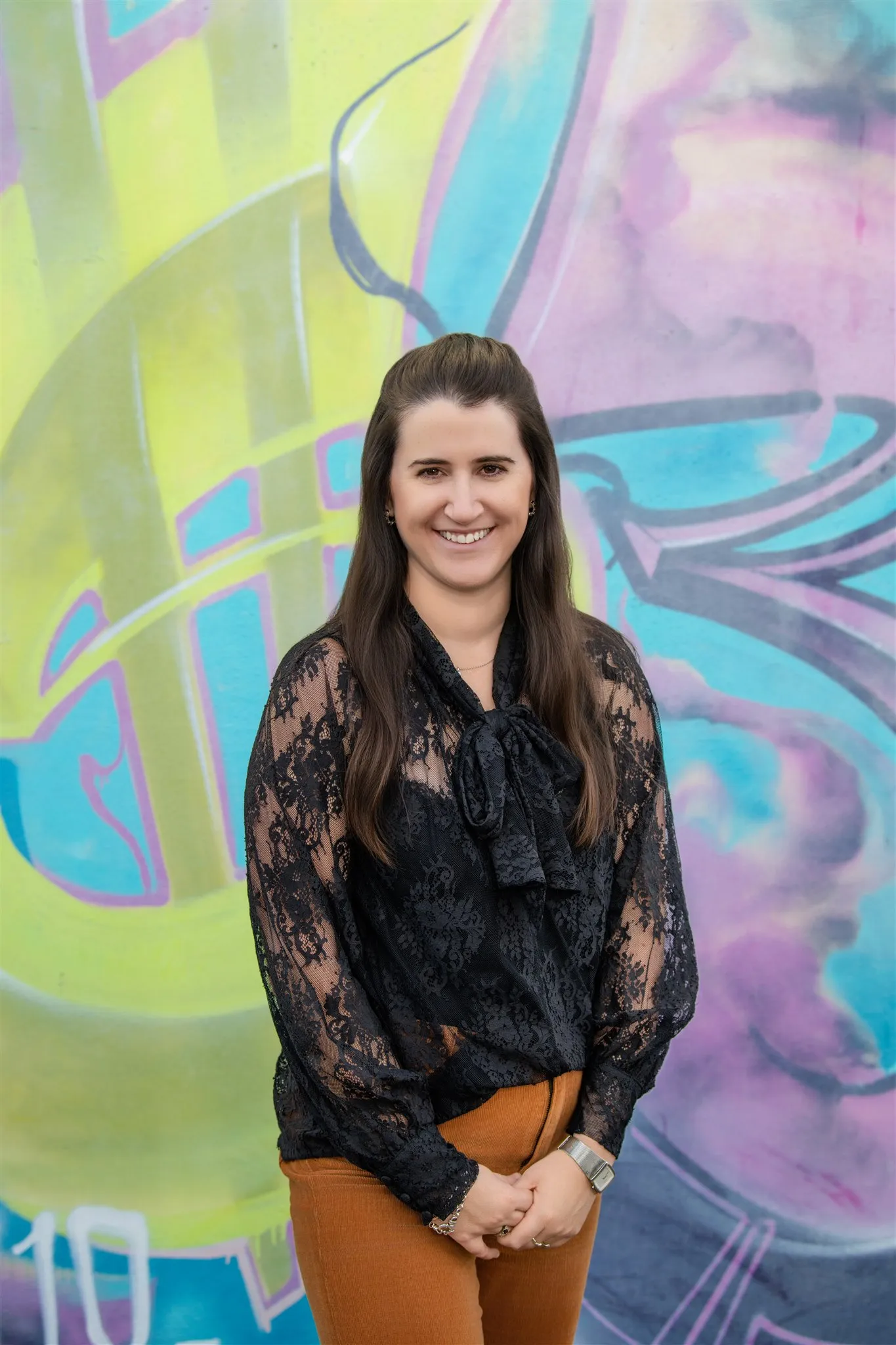
A mural, greenery or your own premises adds warmth and personality. Keep clothing solid and a little deeper so you stand apart from a busy scene, and avoid matching the wall or foliage colour exactly. Sitting a few shades off the background is what makes you pop.
done the thinking for you
Eight palettes, ready to wear.
Pick one as your starting point. For a team, choose a single palette and let everyone pull from it for instant consistency, without everyone looking identical.
how to use a palette
Nobody needs to wear all five tones. Treat it as a paint box, so pick one or two per person and keep it solid. Organising a team? Send everyone the palette and this guide, and they'll turn up coordinated. Not sure? Snap a photo of your picks and I'll give you a thumbs up before the day.
the last 10%
What to avoid.
Small calls that quietly make or break a headshot.
05
Busy patterns
Tight stripes, fine checks and intricate prints can shimmer and warp on camera, an effect called moire that's near-impossible to edit out. Solid colours win. If you love a pattern, keep it to a tie or a shirt under a solid jacket.
06
Logos & slogans
Big logos pull focus and date a photo fast. The one exception: a consistent branded uniform worn by a whole team, then it's a deliberate, unifying choice rather than a distraction.
07
Glasses & glare
If you wear glasses every day, wear them, they're part of you. Bring them clean and we'll angle to kill reflections. Anti-reflective lenses help; if yours glare badly, your optometrist can often lend empty frames.
08
Accessories & watches
Keep jewellery simple: one quiet statement piece at most. A shiny watch face or dangly earrings catch the light and steal the eye. Sentimental? Keep it on. Otherwise, less is more.
09
Necklines & sleeves
V-necks and tailored button-downs elongate the neck and lift the eye. Skip turtlenecks and high collars that crowd the face, and avoid puffy sleeves; they overpower a tight crop and can feel seasonal.
10
All-white or all-black
Both photograph beautifully, until they're your entire outfit. Pure white can blow out under studio lights; pure black can flatten into a shape. The fix is always the same: layer the two, or add a third tone.
the second half of looking good
How to prepare.
The wardrobe is sorted; now the easy stuff. A little planning across the fortnight before means you turn up rested, tidy and relaxed, instead of fixing things in the car park.
2-3 weeks out
plan it
Book & decide early
The single best thing you can do for a calm shoot day is to make the decisions now, while there's no pressure.
Lock in the session and book any haircut or colour for roughly a week before, never the day before.
Choose your two or three outfits and check they still fit and feel good.
If anything needs tailoring, dry-cleaning or buying, you've got time to sort it.
1 week out
tidy up
Trims & skin
Give fresh haircuts and any skin changes a few days to settle so they look natural, not brand-new.
Haircut, colour and beard shape done about a week ahead; settled hair always photographs better.
Keep up a simple skincare routine; if you're prone to breakouts, this buffer gives them time to clear.
Book hair or makeup for the morning of, if that's your thing, aiming to finish just before we shoot.
The night before
lay it out
Press & rest
Five quiet minutes tonight saves a scramble tomorrow.
Steam or press every outfit, hang them up, and lint-roll anything that needs it.
Go easy on salty food and alcohol, which can leave you puffy, and drink plenty of water.
A proper night's sleep is the best, cheapest retouching there is. Pop on some lip balm and head to bed.
Morning of
stay calm
Fresh & unhurried
Wash and style your hair the way you actually wear it to work, eat something, and give yourself a buffer so you arrive relaxed.
Light moisturiser and a quick blot of any shine; skip heavy sunscreen, it flares under the lights.
Clean your glasses, pack your touch-up kit, and bring your outfits on hangers.
Arrive a few minutes early. Nothing flatters a face like not being flustered.
camera-ready
The grooming checklist.
High-resolution cameras catch the small stuff, so a little attention here goes a long way.
Hair
Freshly washed and styled as you wear it for work. Bring a brush or comb to touch up between frames.
Beard & brows
Neaten the edges of facial hair, and tidy stray brow, nose and ear hairs; they read sharply up close.
Skin & shine
Moisturise in the days before; on the day, blot oil and dust on a little translucent powder to keep shine down.
Makeup
Natural and camera-friendly. Concealer is your friend; matte over dewy under bright lights. Look like you, polished.
Lips & nails
Hydrated lips photograph far better than dry ones; keep balm handy. Tidy nails if hands might feature.
The thumbnail test
Snap a phone selfie in window light and zoom out small. If your neckline, hair and expression still read clearly, you're set.
pack the night before
What to bring.
A small kit takes the stress out of the session; most of it fits in one bag.
2-3 outfits
On hangers, pressed and ready, not folded in a bag.
Layers
A blazer or cardigan to double your looks in one sitting.
Touch-up kit
Brush or comb, translucent powder, lip balm, concealer.
Lint roller
Plus fashion tape for any gaps or stray collars.
Clean glasses
If you wear them, wiped and smudge-free.
Water
Hydrated skin photographs better, and a dry mouth shows.
Reference looks
A saved photo or two of headshots you love.
A backup top
One extra option never hurts once we see the light.

stick it on the fridge
The cheat sheet.
If you read nothing else, read this. Tick it off the night before.
Dress one notch sharper.
Your most-important-meeting outfit.
Fit first.
Tailored, not tight or loose; tidy collar and neckline.
Solid, mid-to-deep colours.
Navy, charcoal, jewel tones, warm neutrals.
Dress for the backdrop.
Light background, wear darker, and the reverse.
Matte, not shiny.
And steamed or pressed; wrinkles show on camera.
Skip busy patterns & big logos.
Solid keeps the focus on your face.
Bring two or three options and a layer.
We'll choose together on the day.
Haircut a week ahead.
Never the day before. Let it settle.
Tidy grooming, minimal shine.
Powder for skin, balm for lips, clean glasses.
Sleep, hydrate, arrive early.
Calm is the best look there is.
the quick answers
Headshot FAQ.
The questions I'm asked most about dressing and prepping for a corporate headshot.
What should you wear for a corporate headshot?
Wear what you'd wear to your most important meeting, ideally one notch sharper. Solid, mid-to-deep colours like navy, charcoal, deep grey or a jewel tone photograph best, in a matte, well-fitted fabric. Keep styling simple so the focus stays on your face.
What colours are best for a professional headshot?
Navy, charcoal, deep grey and black are the reliable classics. For a little more life, choose a deep jewel tone like emerald, teal, burgundy or plum. Soft warm neutrals paired with black read approachable. Avoid bright primaries, neon and busy patterns.
What should you not wear for a headshot?
Skip busy patterns and fine stripes, which can shimmer on camera, plus big logos, shiny or satiny fabrics, and anything ill-fitting or wrinkled. Go easy on all-white or all-black as a whole outfit, and keep jewellery and accessories minimal.
What should I wear for a LinkedIn photo?
The same rules as any corporate headshot. Go for a solid mid-to-deep colour, a tailored fit, matte fabric and simple styling, and dress a notch above your everyday work outfit so you look polished but still like yourself.
How do I prepare for a headshot session?
Book any haircut about a week ahead, never the day before. Choose two or three outfits and check the fit, press everything the night before, sleep well and stay hydrated. Arrive a few minutes early so you're calm, not flustered.
Should I wear glasses in my headshot?
If you wear glasses every day, wear them, they're part of you. Bring them clean and we'll angle to avoid reflections. Anti-reflective lenses help, and if yours glare badly your optometrist can often lend empty frames for the session.
What should a team wear for group headshots?
Pick one palette and let everyone pull from it, so the set looks consistent without everyone being identical. A shared branded polo or uniform also works well. Sending the whole team this guide is the easiest way to get a coordinated result.
How much does a corporate headshot cost?
It depends on whether it's an individual session or a team shoot, and how many final images you need. Get in touch with your details and I'll send through the options that fit.
still stuck? that's what I'm here for
Send me a photo of your picks.
Honestly, lay your options on the bed, snap them, send them through. I'd far rather help you get it right now than have you second-guessing on the morning. Booking a whole team? I'll happily share this guide and help everyone turn up looking like one polished set.
book a session
.webp)

.webp)
.webp)