
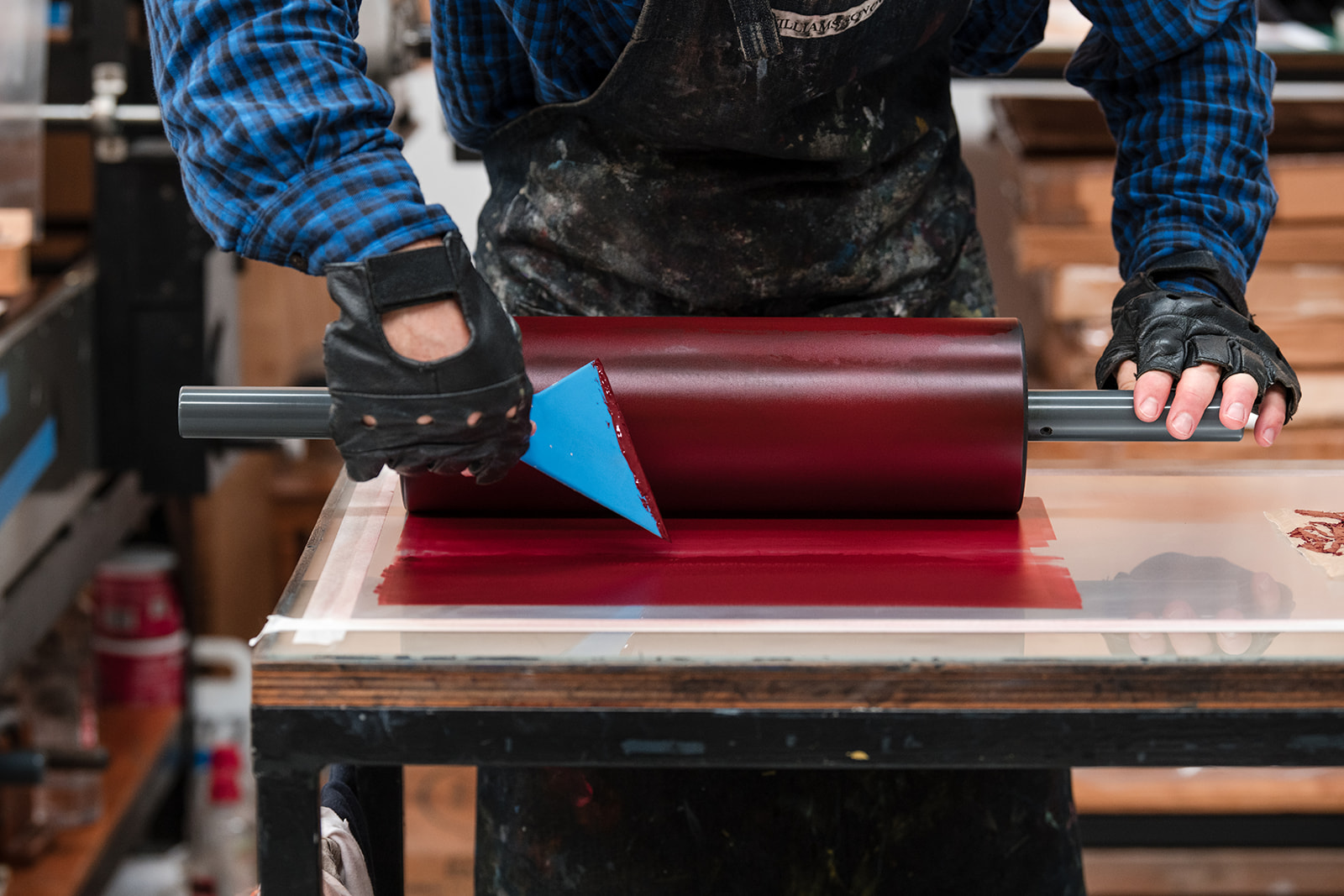
Brand Photography in Whangārei
Brand Photography · Whangārei & Northland
Brand images that help people *get* you.
Brand photography for businesses that need more than a few headshots. Natural, useful images of your team, space and process, made for your website, socials and marketing.
★★★★★ 5.0 on Google, trusted by Northland businesses
A decade behind the camera
✦Licensed for your needs
✦Shot for web, social & print
The experience
This isn't about looking like something you're *not.*
Useful, natural brand images for businesses that need more than a few headshots. Based in Whangārei, I help businesses across Northland build a library of photos that genuinely reflect who they are.
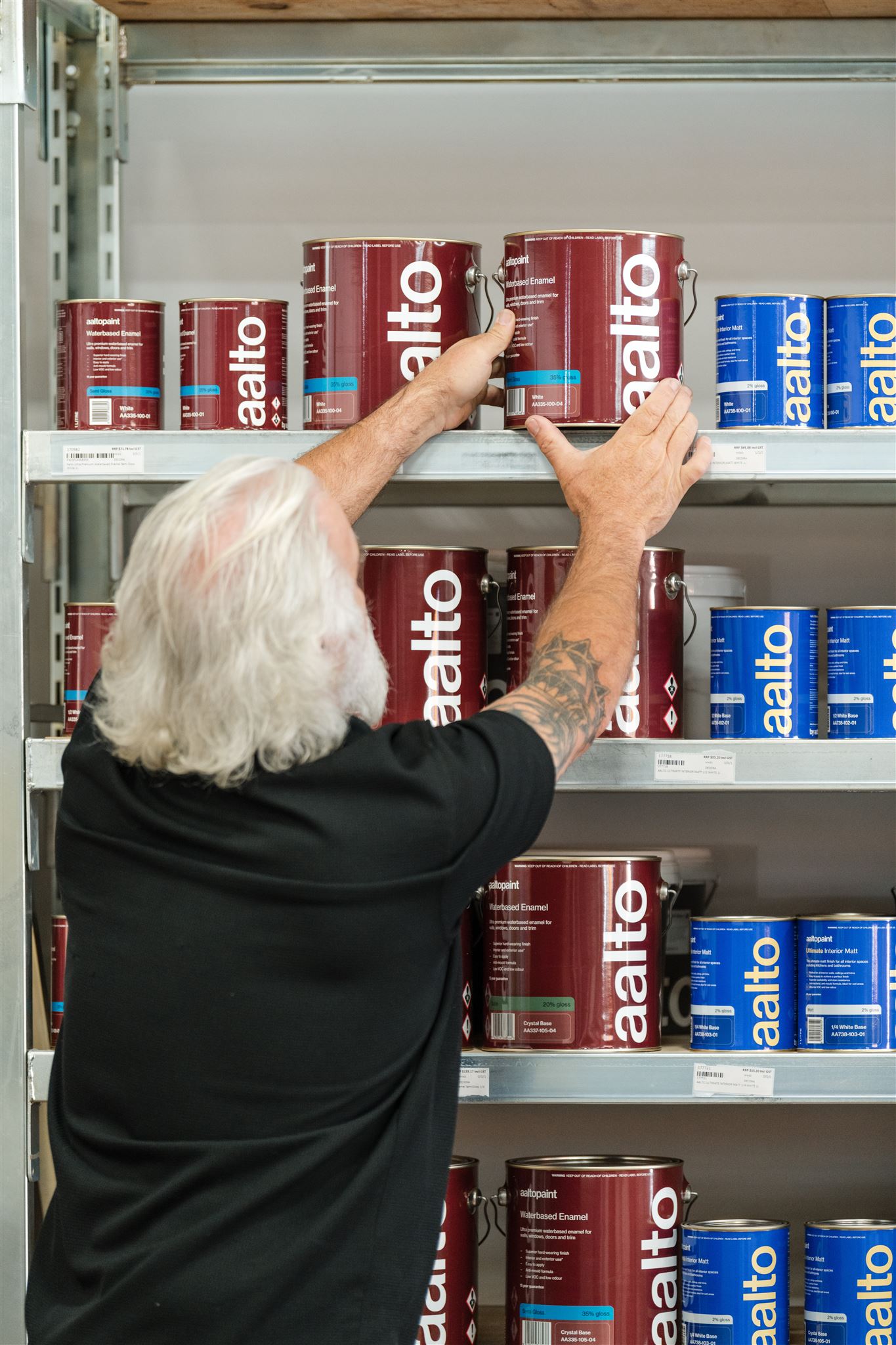
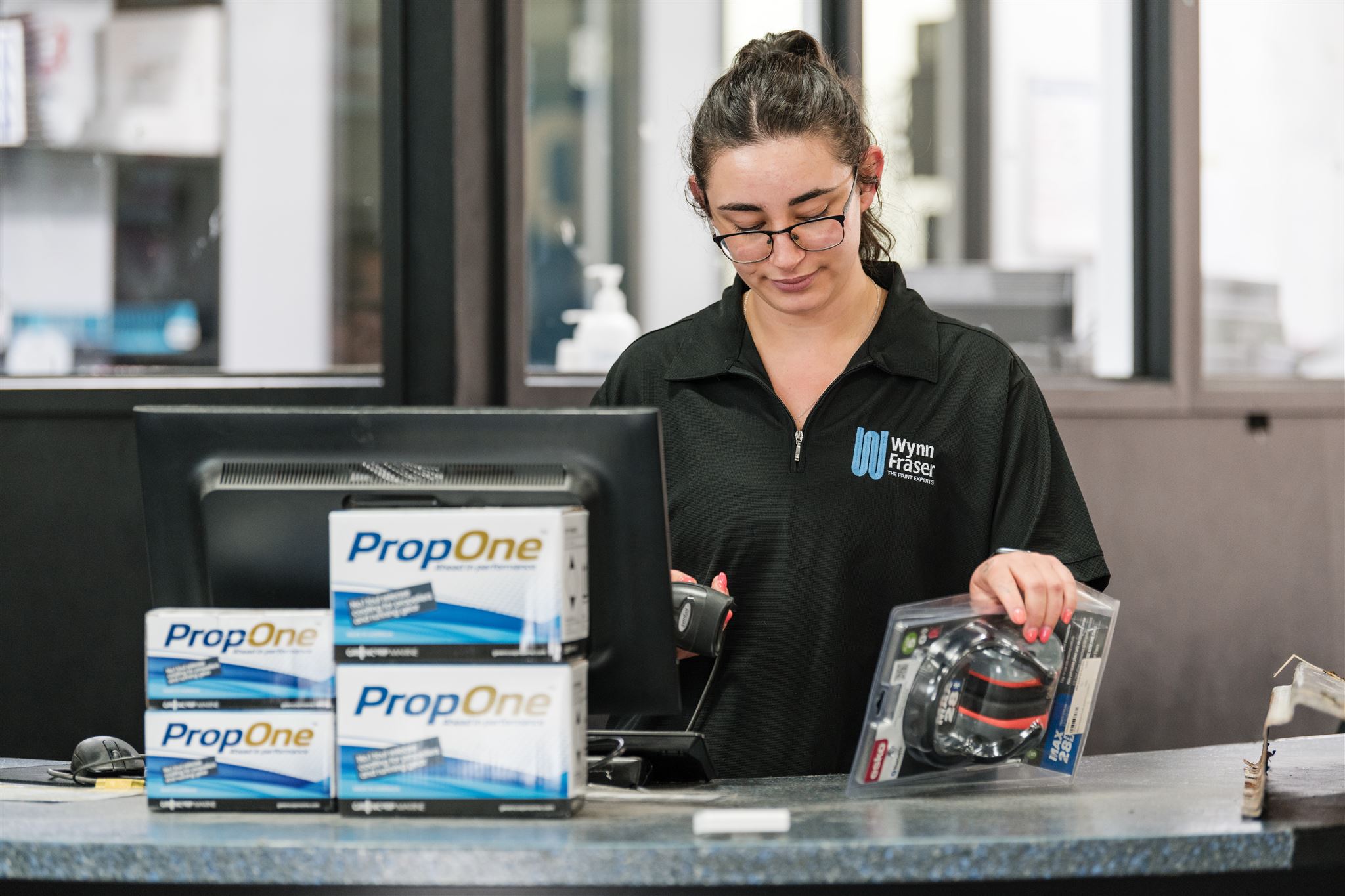
It's about the real details that help people understand you: your team, your space, your process, your products and the experience of working with you.
Whether you're launching, refreshing your website, or finally getting images that match where your business is now, we'll create a set that feels polished, natural and genuinely useful.
More moments
A closer *look*
How I work
Natural, planned, and genuinely *useful.*
My style
Natural and unstaged. Real moments and details that look like your business on a good day, never stocky.
How we work together
We plan a shot list around how you'll actually use the images, then I capture it in a relaxed half or full day, working around your team.
What sets me apart
An arts-trained eye and a documentary instinct, so your brand story comes through in the details most people miss.
Worried your team will freeze up the moment a camera appears? That's completely normal. I work quickly and quietly, capturing people as they actually are, so it feels less like a photoshoot and more like a good day at work.
The experience
Easy from *hello* to gallery
Say hello
Tell me about your shoot and check availability. We'll make sure we're a good fit.
Plan together
We'll shape the details, timings and the moments that matter, so the day flows.
The shoot
I'm there, calm and unobtrusive, capturing the feeling as it unfolds.
Your gallery
Sneak peeks fast, then your full, beautifully edited gallery to keep.
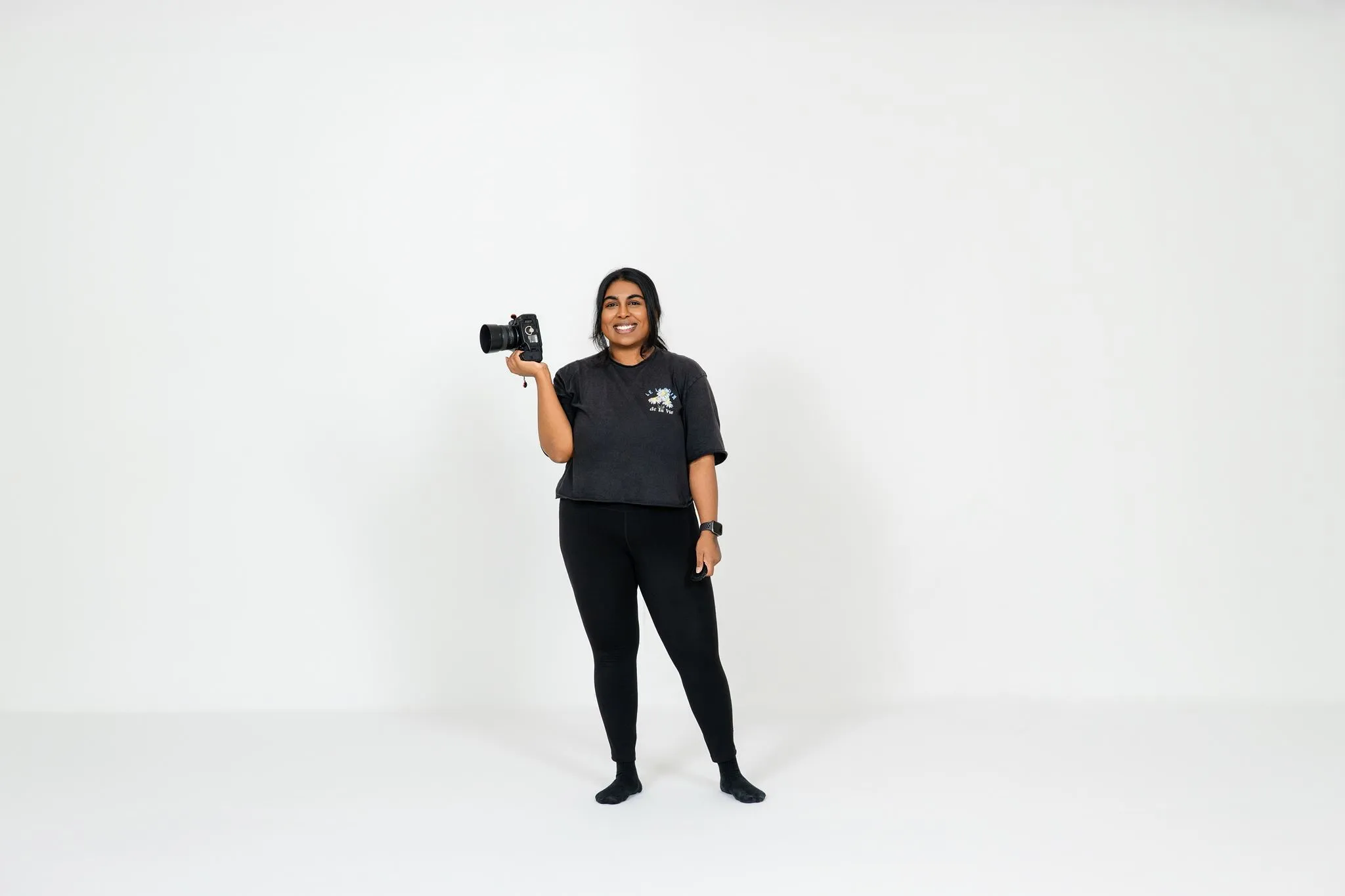
Meet your photographer
Hi, I'm *Nimmy*
I'm Nimmy, a Whangārei photographer working across Northland. For business and brand photography, I bring a mix of commercial thinking and visual detail, building a consistent library of images that works across your website, socials and marketing.
More about me★★★★★
Nimmy was so easy to work with. She made us feel really relaxed and helped us get the best professional shots that we could. We definitely recommend Nimmy, and will work with her again for sure.
Loved by clients
★★★★★
Nimmy is so personable and professional that you forget there is a camera in her hands.Rhys
★★★★★
Fantastic photography, very easy to work with, and we are so pleased with the quality.Julie
★★★★★
Absolutely fabulous. Professional, quick to deliver, and I highly recommend her.Nirvana
Investment
Scoped to *your business*
Every business is different, so shoots are quoted to your brief. Here's roughly where things start.
What I Offer
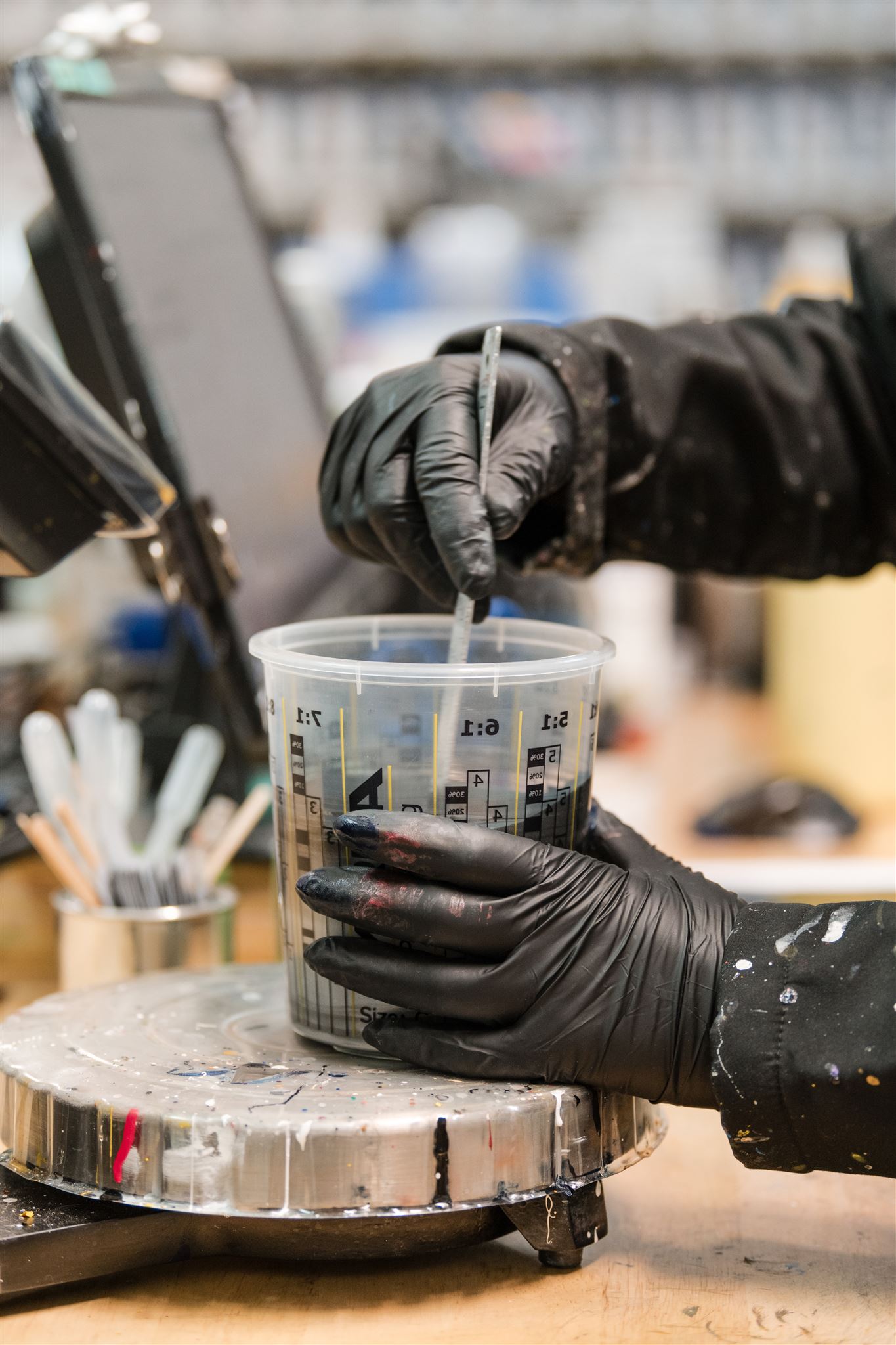
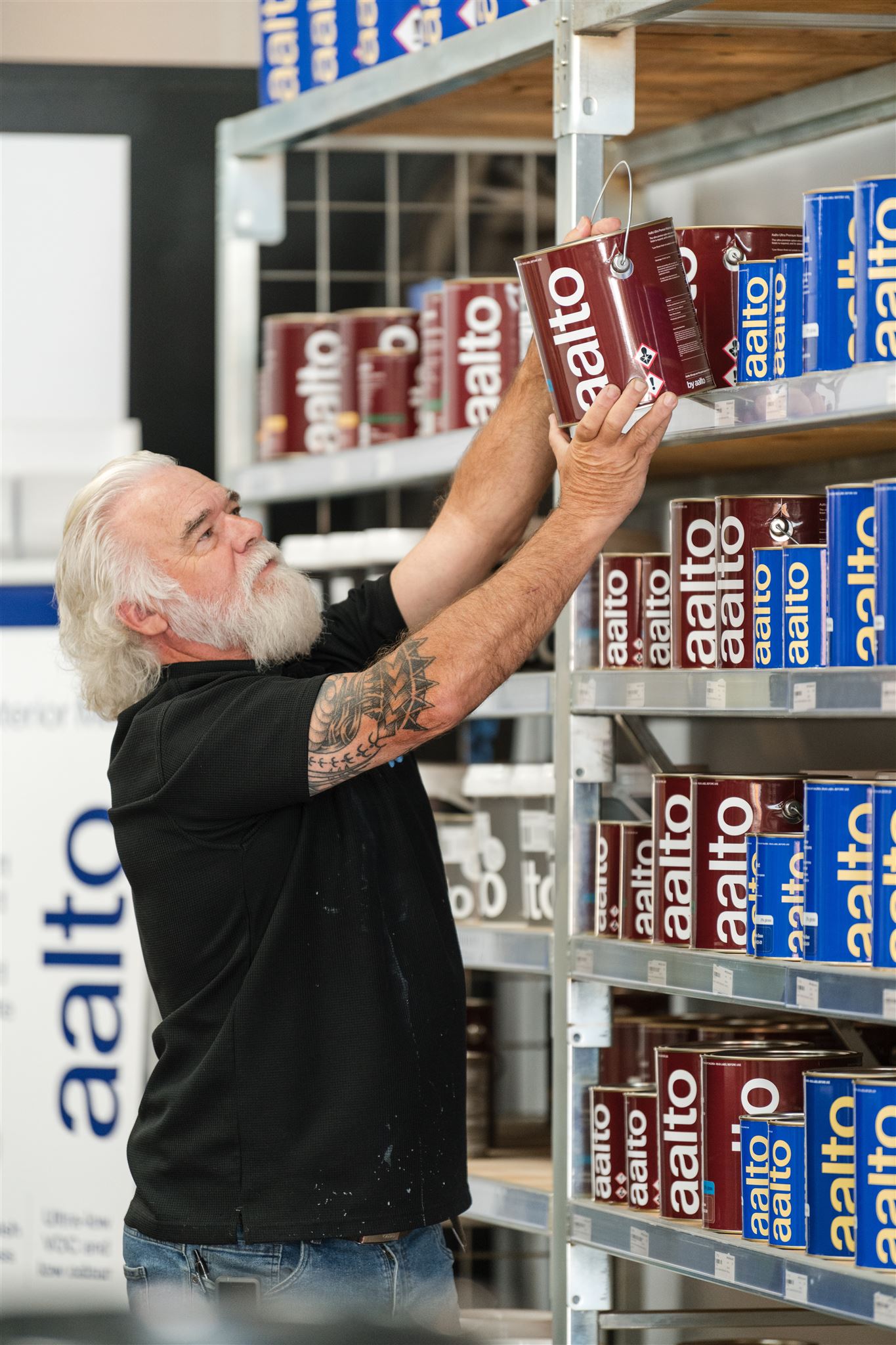
Business branding sessions are planned around how your images need to be used. Some businesses need a clean set of website images. Others need a larger content library for social media, campaigns, team updates, service pages, newsletters and printed marketing.
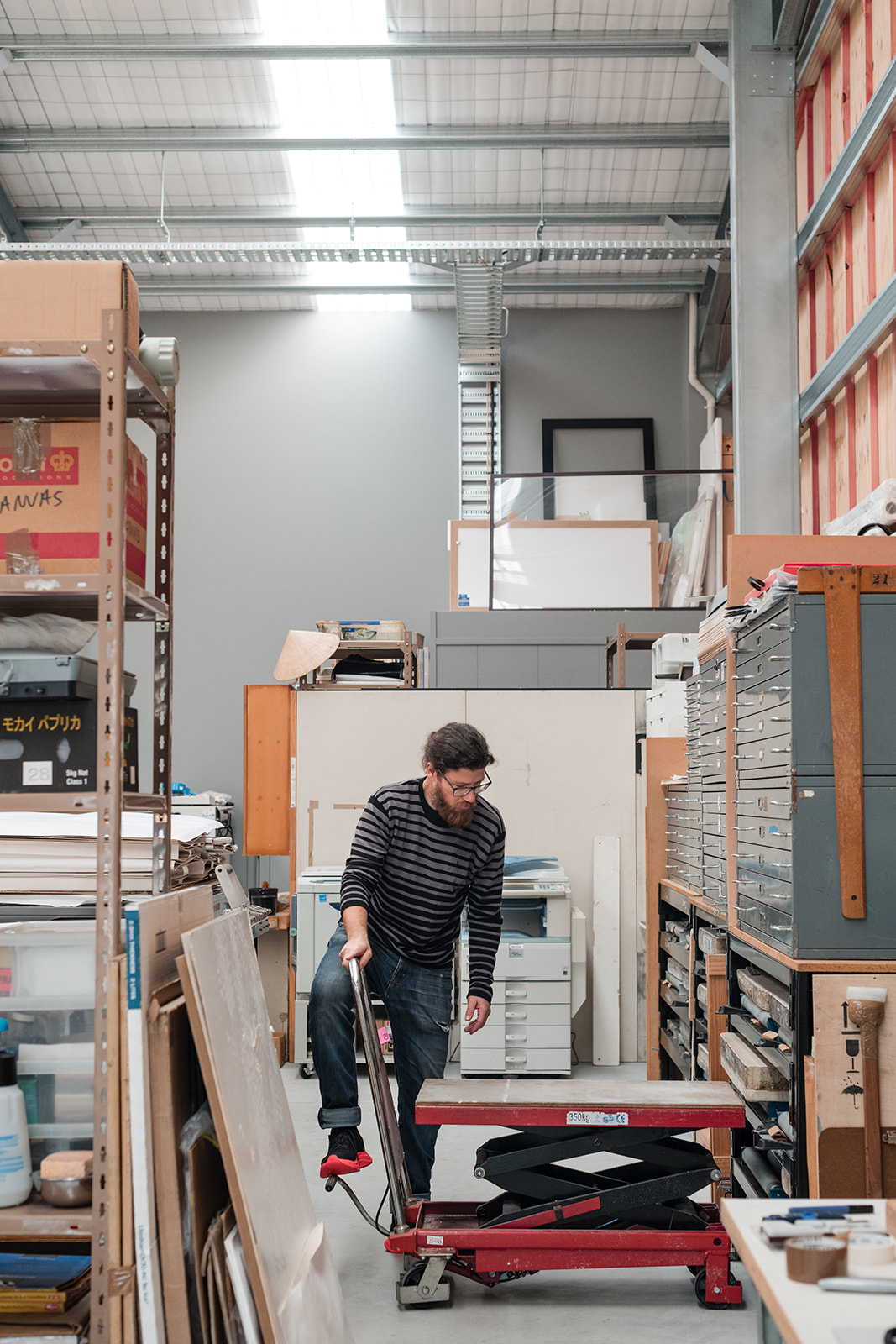
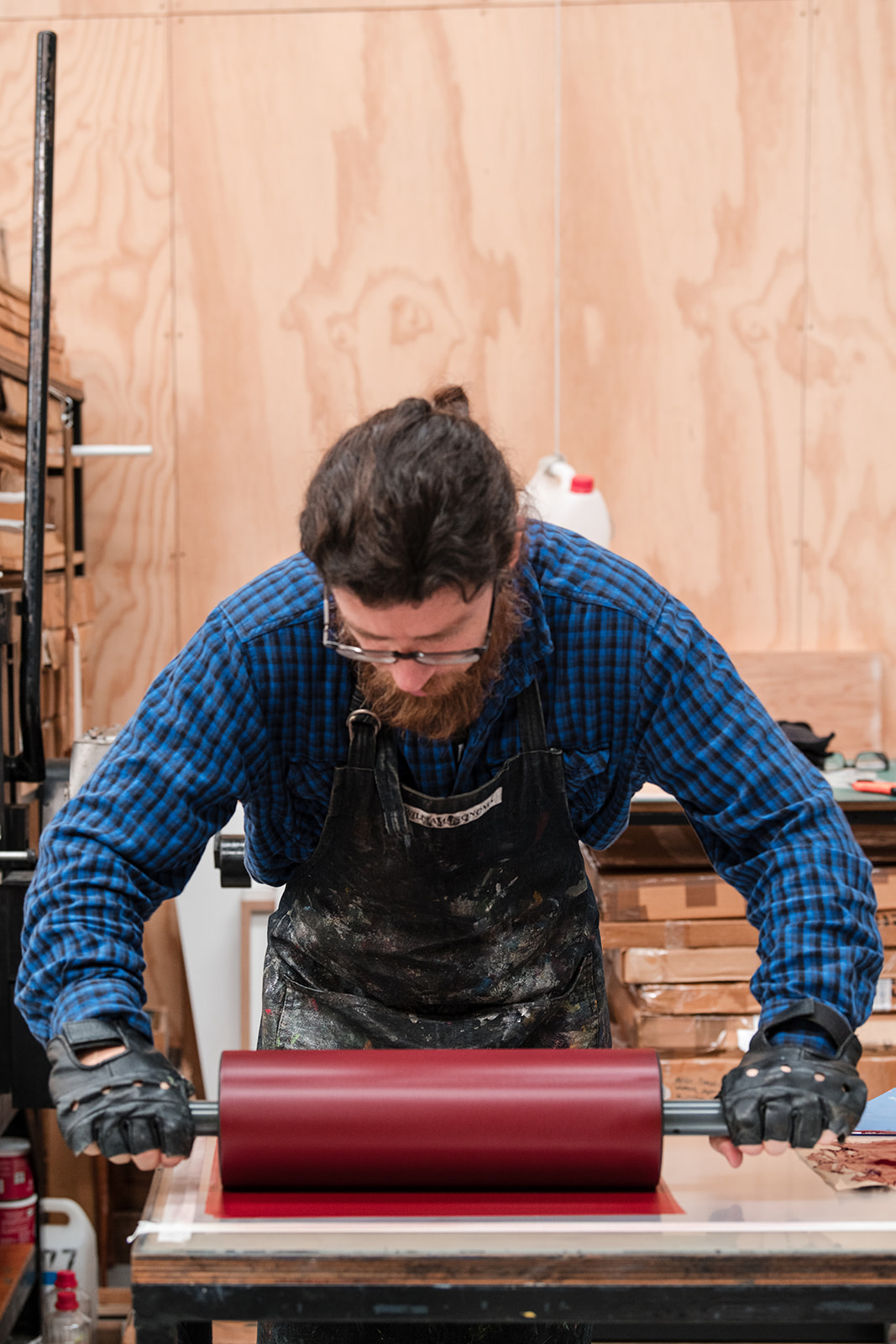
Depending on your package, your session may include workplace images, service-based photos, team interaction, detail shots, behind-the-scenes images, client experience imagery, product or tool details, and portraits that feel connected to the business.
Before the session, we will talk through what you need the images for, what parts of the business should be shown, and what kind of photos will be most useful afterwards. The goal is to create images that do more than sit nicely in a gallery. They should help your business explain itself clearly, look professional, and show up consistently across the places people find you.
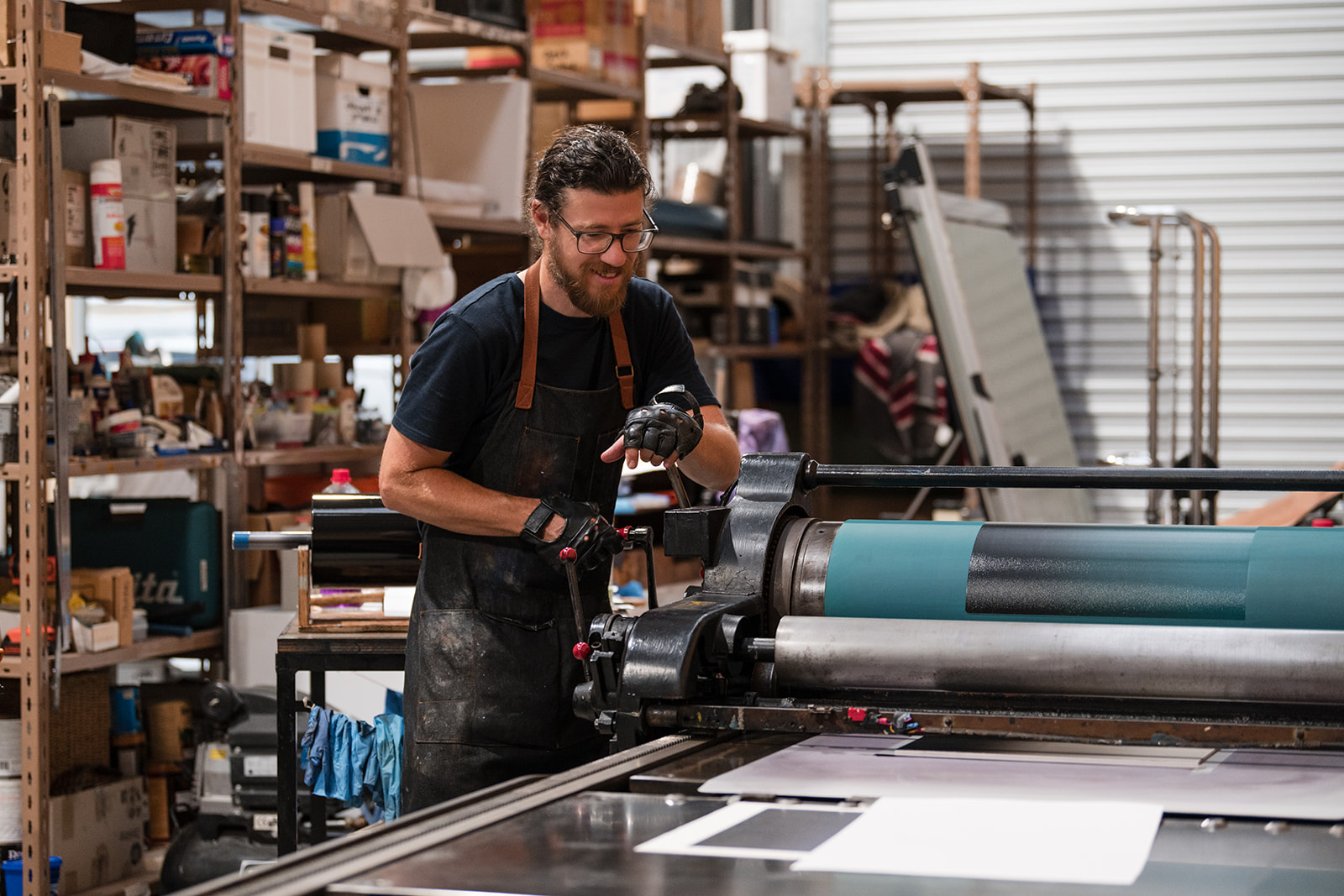
The Essentials
A focused branding session for businesses that need a simple, useful refresh.
This is ideal if you need updated images for your website, Google Business profile, social media or marketing material, but do not need a large content library. We will focus on the key images that help show what your business does and who is behind it.
Includes:
- up to 1 hour of photography
- 1 location
- service, space, detail and/or team imagery
- simple planning before the session
- private proofing gallery
- 15 final edited digital images
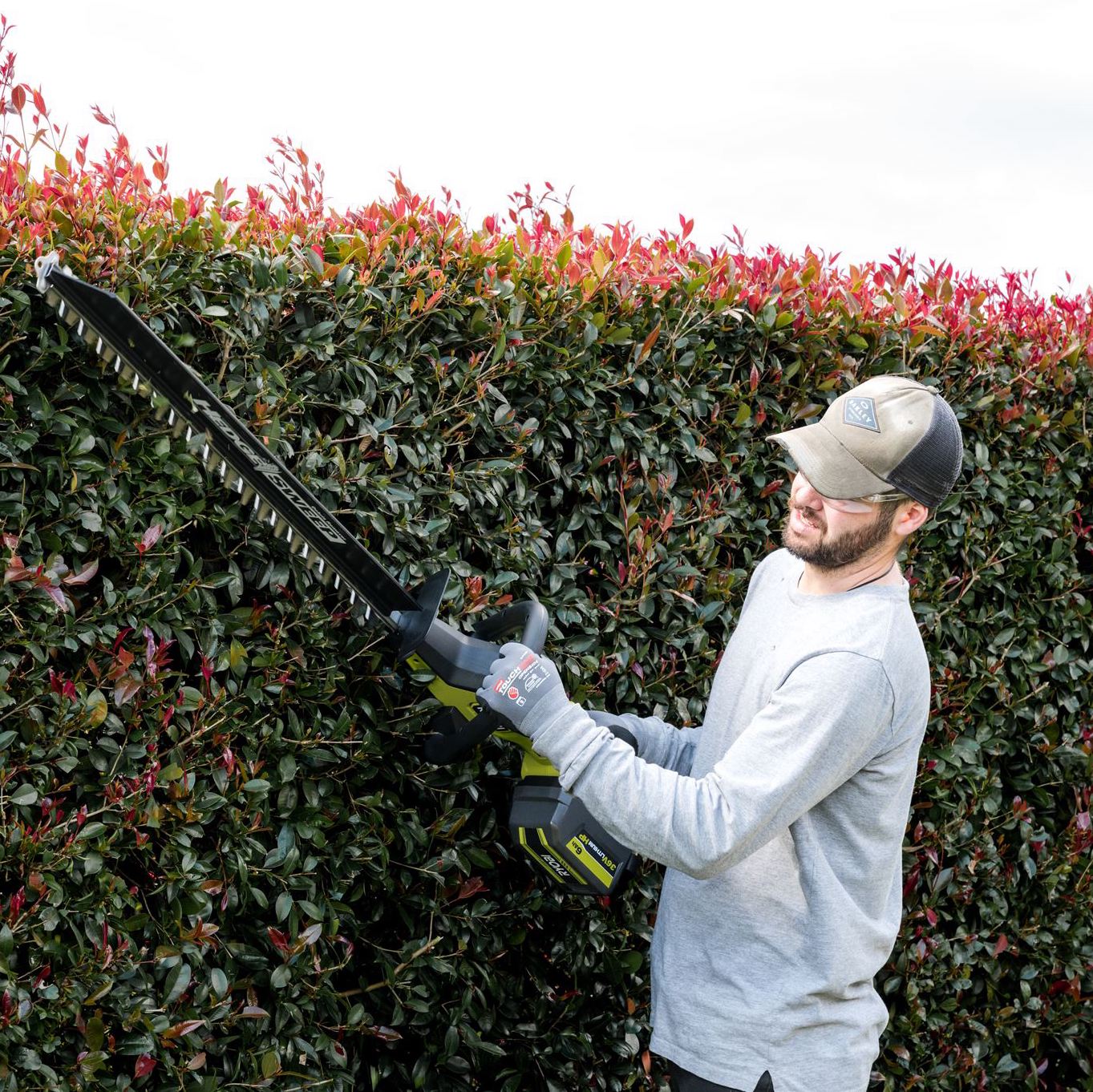
The Brand Builder
A more complete branding session for businesses that need variety across their website and marketing.
This gives us more time to photograph your space, team, services, process, details and the way your business works. It is a good fit if you want enough variety for multiple website pages, social media posts, proposals, Google Business updates and general marketing use.
Includes:
- up to 2 hours of photography
- 1 to 2 nearby locations, if needed
- service, space, detail, team and in-action imagery
- planning before the session
- private proofing gallery
- 30 final edited digital images
The Content Library
A larger branding session for businesses that need a strong bank of images for ongoing marketing.
This session gives us time to create a broader, more flexible collection of images across your team, services, space, process, details and customer experience. It is designed for businesses that need content they can keep using across their website, social media, newsletters, proposals and printed material.
Includes:
- 3 to 4 hours of photography
- 1 to 2 locations
- a wider mix of service, space, team, detail and in-action imagery
- planning before the session
- private proofing gallery
- up to 60 final edited digital images
Full Day Storytelling
A full-day business branding session for businesses that need a complete visual library.
This is for businesses that want to document the full picture, including the team, space, services, process, details, client experience and broader brand story. It gives us time to move through the day properly and create a large set of images that can support your website, campaigns, social media, marketing material and future content needs.
Includes:
- up to 7 hours of photography
- planning before the session
- 1 to 2 locations, depending on the brief
- a full mix of team, service, process, detail, space and in-action imagery
- private proofing gallery
- up to 120 final edited digital images
What I offer
The whole *story*
A brand shoot is more than portraits. We capture the things that make people trust you.
Individuals
Individual headshots
Just need one person? See my professional headshots.
Exploreteam-headshots
New hires
New-starter top-ups
Quick sessions for new team members, matched to your existing photos.
Exploreteam-headshots
Studio
In-studio sessions
Bring the team to a controlled studio setup for a crisp, uniform look.
Exploreteam-headshots
On-site
On-site team day
I bring the studio to your office and photograph the whole team in a day.
Exploreteam-headshots
Audience
Audience & engagement
Genuine reactions and attention.
Exploresmall-workshops-seminars-presentations
Speaker
Speaker & slides
Presenters mid-flow, with their message.
Exploresmall-workshops-seminars-presentations
Campaign
Campaign & out-of-home
Hero imagery built to carry a campaign, right up to billboards.
Exploreproduct-photography
Lifestyle
Lifestyle & in-use
Your product in the real world, in context and in hand.
Exploreproduct-photography
Styled
Flatlay & styled
Considered, on-brand compositions for socials and marketing.
Exploreproduct-photography
E-commerce
E-commerce & catalogue
Clean, consistent shots on white or styled backgrounds, web-ready.
Exploreproduct-photography
You
Just because
No reason needed, just good photos of you.
Exploreportraits-individuals-creative-seniors
Creative
Creative portraits
Expressive sessions for your project or brand.
Exploreportraits-individuals-creative-seniors
Milestones
Milestones
Birthdays, graduations and big moments.
Exploreportraits-individuals-creative-seniors
Content
A content library
A set of images to feed your website, socials and campaigns.
Explorepersonal-branding
Behind the scenes
The process
The details and moments that show how you actually work.
Explorepersonal-branding
Lifestyle
In your element
You doing what you do, relaxed and real, in your own space.
Explorepersonal-branding
Portraits
Portraits
Polished, characterful shots of you, for profiles and press.
Explorepersonal-branding
Milestones
Milestones
Sitting up, first steps, all the little in-between chapters.
Explorematernity-baby-photographer-in-whangarei-northland
First year
First birthday
The big milestone, with a cake smash if you want the mess.
Explorematernity-baby-photographer-in-whangarei-northland
Newborn
Newborn
Soft, relaxed newborn sessions in those first tender weeks.
Explorematernity-baby-photographer-in-whangarei-northland
Maternity
Maternity
Gentle bump portraits, at the beach or in your own light.
Explorematernity-baby-photographer-in-whangarei-northland
Styling
Styling & vignettes
The considered corners and styled details that sell the look.
Exploreinterior-design
On-site
On-site sessions
I bring the studio to your office, whole team done in a day.
Exploreprofessional-headshots
Personal branding
Personal branding
A small set of on-brand images for founders and solo operators.
Exploreprofessional-headshots
Teams
Team & staff
Consistent headshots for your whole team, matched in style and light.
Exploreprofessional-headshots
Individual
Individual headshots
A polished, natural headshot for your website, LinkedIn or profile.
Exploreprofessional-headshots
Content
Menus & content
A library for menus, socials, delivery apps and marketing.
Explorefood-hospitality-photography
Atmosphere
Atmosphere & service
The feeling of a full room and the people who make it.
Explorefood-hospitality-photography
Space
Interiors & venue
Your fit-out and setting, shown at their best.
Explorefood-hospitality-photography
Food & drink
Food & drink
Dishes and drinks shot to look as good as they taste.
Explorefood-hospitality-photography
Lookbook
Lookbooks & e-commerce
Clean, consistent imagery of the collection.
Explorefashion-photography
Atmosphere
Atmosphere & space
The feel of a full gallery on opening night.
Exploreexhibition-opening-event
Speeches
Speeches & formalities
Speakers, acknowledgements and key moments.
Exploreexhibition-opening-event
Context
Space & context
The gallery and flow, for a full record of the show.
Exploreexhibition-documentation
Install
Install views
Wide views showing how the show sits in the space.
Exploreexhibition-documentation
Candids
Speakers & candids
Portraits of speakers and natural candids of your people.
Explorecorporate-events
Functions
Networking & functions
Genuine connection and atmosphere, never stiff or staged.
Explorecorporate-events
Launches
Launches & awards
The big moments, reactions and winners, ready for press.
Explorecorporate-events
Conferences
Conferences & seminars
Speakers, sessions and delegates, captured clearly across the day.
Explorecorporate-events
Completion
Completed builds
The finished result, shot to show the quality of the work.
Exploreconstruction
People
Your team
The faces and personalities behind the business, relaxed and real.
Explorebusiness-branding
Collections
Collections & archives
Consistent documentation across a full body of work.
Exploreart-photography
2D
Paintings & works on paper
Flat, even, colour-true reproduction with no glare.
Exploreart-photography
Details
Materials & details
The joinery, textures and touches that set the work apart.
Explorearchitecture
Exteriors
Exteriors & form
The building in its setting, shot for light and structure.
Explorearchitecture






You are in good hands
Fully insured
Full public liability cover, so you and your venue are protected.
Licensed to fly
A certified drone pilot on my team, for legal aerial coverage many cannot offer.
Backed up
Every image saved in multiple places, from the shoot itself onward.
On time
Sneak peeks fast, and your full gallery delivered on schedule.
Questions, answered
Depending on your chosen package, branding sessions can run from 1 hour to a full day. We’ll confirm the exact timing during your planning consult.
Every brief is different, so pricing is tailored to your scope, the deliverables you need and how you'll use the images, rather than a fixed package. Most projects start with a quick chat or brief so your quote reflects exactly what you need.
I'm chosen for fit and quality rather than for being the cheapest option, and I'll always make the value clear before you commit.
Yes – every package includes guidance on outfits, locations, and how to get the most from your session so your images feel cohesive and on-brand.
You're licensed to use your images for exactly what you need, across your website, social media, print and marketing. I set the usage out in plain English in your quote, so there are no surprises.
For large-scale or out-of-home use, think billboards, bus-backs or digital outdoor, extended licensing is available. Just tell me where the images will live and I'll include it.
This depends on your package (from 15 images for Essentials through to full asset coverage for a Full Day session). All images are professionally edited and delivered in both web and print-ready formats.
You'll usually have a selection to review within about two weeks. Final delivery depends on the scope of the project, and I'll keep you posted on timing from the start.
If you're working to a deadline, let me know early and I'll do my best to work to it.
Absolutely. Longer sessions often include multiple settings to showcase different sides of your brand. We’ll work out the best flow for your shoot.
Yes. I schedule teams efficiently so it barely interrupts your day, and I keep the direction relaxed so even camera-shy staff end up with images that genuinely look like them.
Yes. I'm based in Whangārei and photograph across Northland and wider New Zealand. If you're outside the immediate area, any travel is agreed up front so it's clear from the start.
Both work. I can photograph on location at your premises or business, on site, or with a simple portable studio setup I bring to you, whichever suits the look you're after.
Helpful reading
From the journal
Free guideThe guide
A warm, practical read to help you prepare and get the most from your time in front of the camera.
What brand photography actually isLet's build your brand library
Tell me a little about what you have in mind, and I'll send through availability and my full pricing guide.
Start a project.webp)

.webp)
.webp)