

Artwork Photography for Print, Archives, and Exhibitions
Reflections. Colour accuracy. Detail. Consistency. That’s really what this comes down to.
If you’ve ever taken a photo of your own painting and thought, “That’s not what it looks like in real life,” you’re not being picky. Artwork is genuinely difficult to photograph properly. It combines texture, gloss, subtle tonal shifts, deep shadows and sometimes reflective surfaces like varnish or glass. Small technical issues show up fast.
When artwork is photographed well, you don’t notice the photography at all. You just see the work, clearly and honestly.
I photograph artworks for artists, galleries and collectors in Whangārei and across Northland, and I travel throughout New Zealand for larger collections and exhibitions. The goal is simple. Create accurate, reliable files that represent your work properly and continue to work for you years from now.
Why professional artwork photography matters
Your artwork images often become the stand in for the original piece.
They’re used for:
- Giclée print reproduction and limited editions
- Exhibition catalogues and wall labels
- Grant, funding and residency applications
- Artist portfolios and websites
- Online sales platforms
- Insurance documentation and condition records
- Publications and press features
- Long term archiving of your practice
If the photograph feels flat, distorted or slightly “off” in colour, that affects how the work is perceived. Clean, consistent documentation strengthens your portfolio and supports how seriously your practice is taken.
The real challenges when photographing artwork
Reflections and glare
Gloss varnish, resin, graphite, metallic pigments and framed glass reflect light easily. Glare hides detail and creates bright patches that flatten the surface.
Photographing artwork properly means controlling light carefully so that the surface reads clearly without hotspots or distracting reflections.
Colour accuracy
Your eyes constantly adapt to the room you’re in. Cameras do not.
Without a controlled workflow, whites can shift warm, neutrals can lean green or magenta, and subtle gradients can disappear. You might not notice on your phone, but you will notice when you print or submit the file.
A colour managed process keeps tones consistent and true to the original artwork, especially important for reproduction and archival documentation.
Detail and texture
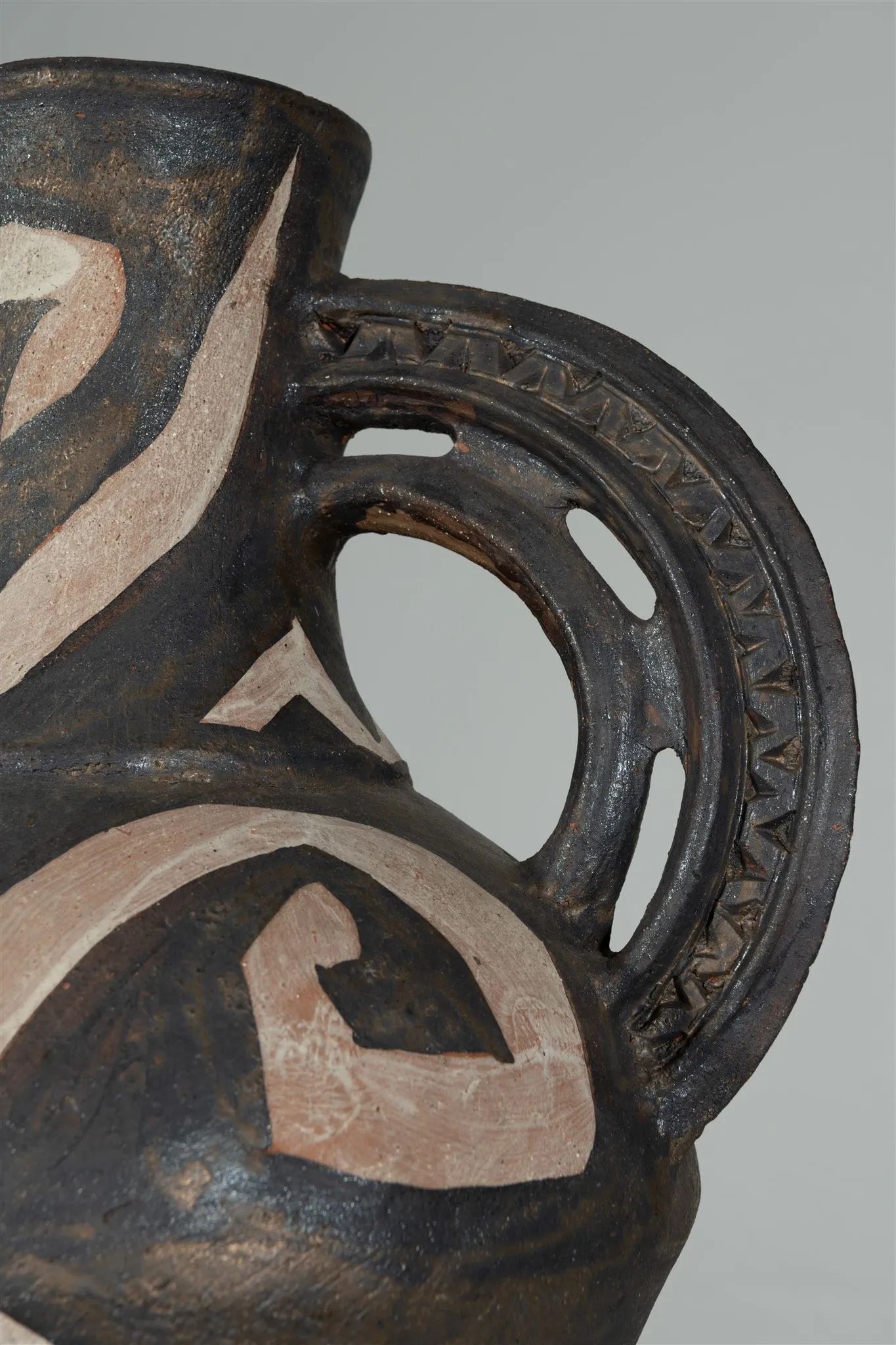
High resolution artwork photography is not just about megapixels. It is about clarity and edge definition. It is about being able to see brushwork, layering, pencil grain or textile texture without it turning muddy.
Images that look fine on social media often fall apart when printed larger or viewed closely.
What you receive
Most artists need more than one quick JPEG.
A typical artwork documentation session includes:
- A high resolution master file suitable for print and archive
- Web optimised versions for your website and social platforms
- Consistent crops across a body of work
- Detail images where texture and material matter
- Square, aligned compositions without distortion
The master file becomes your long term reference point. If you reprint, submit, publish or revisit the work later, you are starting from something solid.
Print ready artwork photography
If you plan to produce giclée prints, artist books, postcards or exhibition catalogues, the starting file matters more than most people realise.
Print ready artwork photography means:
- Enough resolution for your intended print size
- Accurate colour reproduction
- Clean tonal range without blocked shadows or blown highlights
- Files prepared with reproduction in mind from the beginning
It is always easier to start with a strong source file than to try to fix something later.
Archiving your work properly
Artwork photography is not only about marketing. It is about documentation.
A consistent archive includes:
- Neutral, even lighting
- Repeatable colour accuracy across different sessions
- Clear file naming and metadata
- Cohesive visual consistency across your practice
These files may later support a retrospective exhibition, a publication, an insurance claim or estate documentation. Having a reliable visual record becomes part of your professional foundation.
What I need from you
You do not need to understand lighting theory or colour calibration.
Before your session, I simply need:
- The purpose of the images, whether for print, submission, archive, web or all of the above
- The medium, such as oil, acrylic, watercolour, charcoal, mixed media, textile or sculpture
- Any reflective surfaces like varnish, resin, metallic elements or glass
- Titles, dimensions and dates for accurate records
If works are framed behind glass, let me know early. Glass can be managed, but it changes the setup.
Artwork photography in Whangārei and Northland
I am based in Whangārei and regularly work with artists in Northland, including Kerikeri, Waipū and surrounding areas. Travel across New Zealand is available for larger projects and collections.
If you are looking for:
- Colour accurate artwork photography in Whangārei
- Professional art documentation in Northland
- Reproduction ready files for print
- Archival photography for collections
This service is designed to support your practice properly and respectfully.
You can explore more about this service here:
Art Documentation
Services
Portfolio
Contact
Tell me how many works you have and how the images will be used, and I will recommend the right approach and deliverables.
Get in touch via bynimmy.com to organise artwork photography in Whangārei, Northland or anywhere across New Zealand.
Frequently Asked Questions
What is artwork photography?
Artwork photography is the professional documentation of paintings, drawings, prints, sculpture and mixed media works using controlled lighting and a colour managed workflow so the files are accurate and suitable for print, archive and professional use.
Why can’t I just photograph my art with my phone?
Phones are convenient and useful for behind the scenes or social updates. They are not built for controlled reproduction. Glare, distortion and colour shifts become obvious when you try to print or submit those files professionally.
Do you provide print ready files?
Yes. Files are delivered at high resolution and prepared for reproduction. Web versions can also be supplied for online use.
Can you photograph art behind glass?
Yes, although glass introduces reflections and requires adjusted lighting. Removing the artwork from the frame usually produces the cleanest result where possible.
Do you travel outside Whangārei?
Yes. I am based in Whangārei and work across Northland and throughout New Zealand for larger collections and exhibitions.
.webp)

.webp)
.webp)