
10 Things I Wish Everyone Knew About Professional Photography
I’ve been doing this long enough to see the same assumptions come up again and again. Some are understandable. Some are genuinely funny. And some quietly shape how people approach professional photography in a way that doesn’t always serve them well.
As a professional photographer based in Whangārei, Northland, I see these misconceptions play out across family sessions, branding shoots, events, and personal portraits.
Professional photography looks simple from the outside. A camera. A person. A nice location. Click.
But the reality is far more layered than that. So this is a straight-up, honest look at what actually goes into professional photography, and what I wish more people knew before they booked a shoot, planned a timeline, or wondered why things are priced the way they are.
1. Professional photography is never just pressing a button
Yes, there is a shutter involved. But that’s the final step in a long chain of decisions happening before, during, and after your session.
Before the shoot, there’s planning, location scouting, timing, lighting considerations, understanding what the images are for, and how they’ll be used. During the shoot, it’s constant adjustments. Light direction, exposure, framing, background distractions, body language, expression, movement, and energy in the room.
Afterwards comes culling, colour work, retouching, exporting, backing everything up in multiple places, preparing galleries, managing licensing, and delivering files in a way that actually works for you.
The button is just the visible part.
2. Photoshop is a tool, not a magic wand
Yes, retouching exists. And when used thoughtfully, it’s incredibly helpful.
But no, it’s not realistic or necessary to “fix everything later”. Heavy retouching takes time, costs more, and often removes the very things that make an image feel real.
Getting things right in camera matters. Good light. Good angles. Comfortable pacing. Clear direction. All of that creates better images before editing even begins.
The goal is not perfection. It’s honesty, balance, and images that still feel like you when you look back at them years later.
3. Light genuinely changes everything
Golden hour is not a myth photographers made up to be difficult.
Light shifts throughout the day, and those shifts affect skin tones, mood, contrast, and how an image feels emotionally. Soft evening light wraps differently than harsh midday sun. Window light behaves differently depending on direction, season, and cloud cover.
When a photographer suggests a certain time of day, it’s not about aesthetics for aesthetics’ sake. It’s about creating images that feel calm, flattering, and intentional rather than rushed or harsh.
4. Natural does not mean boring
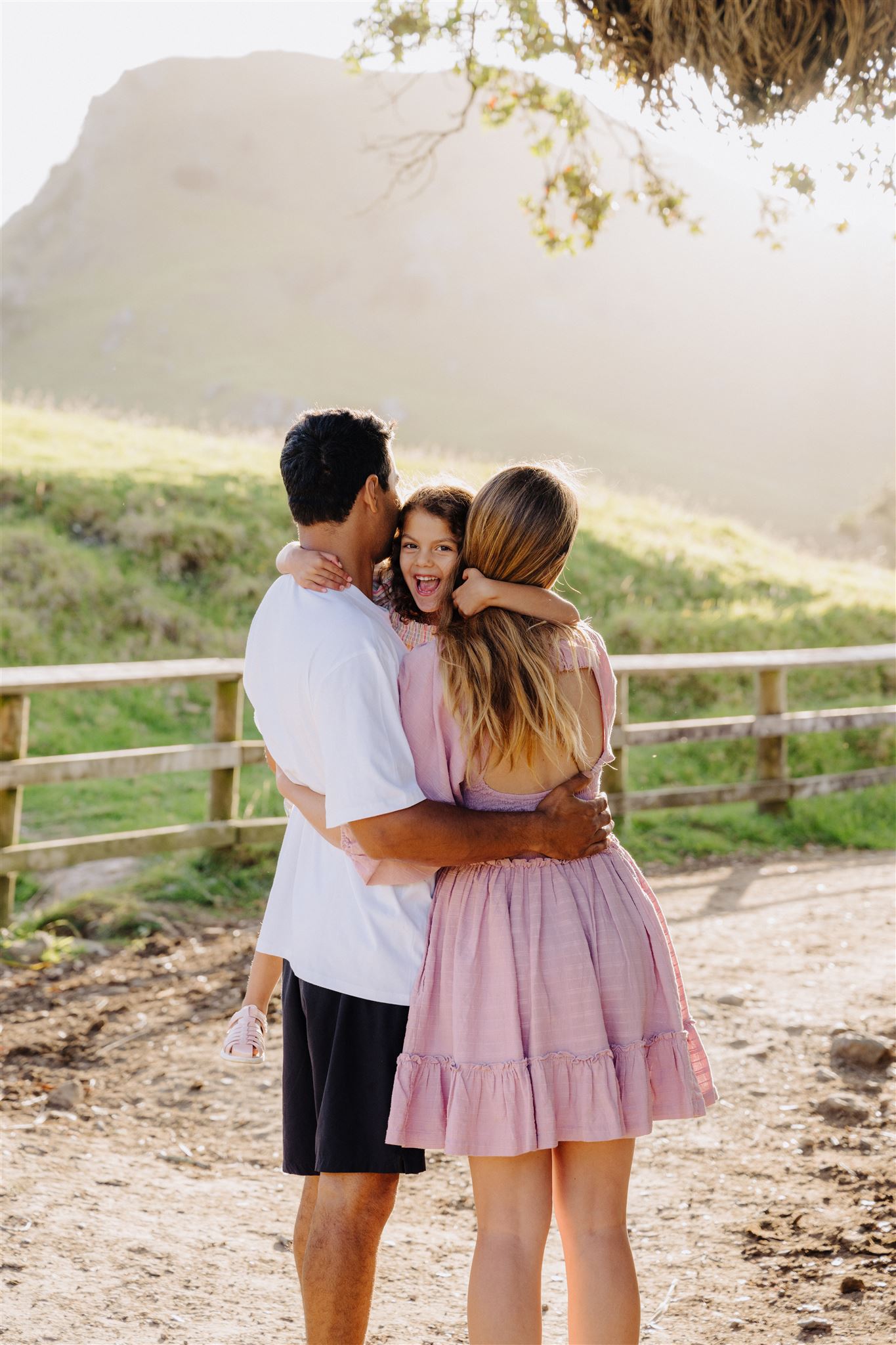
There’s a misconception that natural light or minimal editing equals plain or underwhelming.
In reality, it often means the opposite.
Natural approaches allow texture, emotion, and subtlety to come through. They leave room for expression, for movement, for moments that feel lived-in rather than staged.
It’s not about stripping creativity away. It’s about trusting what’s already there and working with it carefully.
5. Editing trends date faster than you think
Every few years there’s a look that dominates. Heavy contrast. Muted colours. Warm everything. Cool everything. Grain everywhere.
They’re fun in the moment, but they don’t always age well.
That’s why my approach leans towards clean, balanced, and honest edits. I want images to still feel right years from now, not tied to a specific trend or algorithm.
Timeless doesn’t mean boring. It means considered.
6. Short sessions and longer sessions are not interchangeable
A quick session has its place. Mini sessions are great for very specific needs. Updated portraits. Christmas cards. Something simple and focused.
But they can’t do the work of a longer session.
More time allows people to settle. It allows energy to shift. It allows for variety, movement, and images that feel less posed and more natural. If you’re after depth, story, or flexibility in how you use the images, time matters.
It’s not about more photos. It’s about better ones.
7. You don’t need to know how to pose
This is one of the biggest worries people bring into a shoot, and it’s completely unnecessary.
You don’t need to practise. You don’t need to rehearse. You don’t need to know your angles.
That’s my job.
Good direction feels calm, clear, and human. It’s about helping you feel comfortable first, and letting the images follow from there. The best photos rarely come from holding a perfect pose. They come from small moments in between.
-Copy1.jpg)
8. Silence usually means problem-solving, not judgment
Sometimes photographers go quiet. Not because something’s wrong with you, but because a lot is happening at once.
We’re checking light, adjusting settings, watching backgrounds, anticipating movement, reading expressions, and thinking two steps ahead. That pause is often where the image is being built.
So if things go quiet for a moment, trust that it’s focus, not criticism.
9. Energy matters more than people realise
You can feel it when a session is rushed, tense, or disconnected. And you can feel it when it’s calm and collaborative.
Photography works best when it feels like a shared process rather than a performance. When there’s trust, clear communication, and space to breathe, the images reflect that.
A photographer’s role is not just technical. It’s emotional and environmental too.
10. The photos are only part of what you’re investing in with a professional photographer
When you book a professional photographer, you’re not just paying for photos.
You’re investing in planning, experience, direction, editing, delivery systems, licensing knowledge, backup processes, and someone who knows how to hold space during the process.
And just as importantly, you’re investing in how the experience feels.
Whether you’re booking a professional photography session in Whangārei for your business, your family, or yourself, that experience matters just as much as the final images.
Good photography doesn’t just look good. It feels steady, considered, and supportive from start to finish.
Final thoughts
Photography should not feel intimidating or transactional. It should feel thoughtful, collaborative, and clear.
If you’re looking for a Whangārei-based photographer who values honesty, artful simplicity, calm direction, and images that last beyond trends, you’ll probably feel at home here.
If you’re ready to start, head to my website and send through an enquiry. We’ll take it from there.
.webp)

.webp)
.webp)